Free And Low-Cost Things To Do In Punta Cana: A Realistic Budget Guide
Punta Cana is sold as an all-inclusive resort town, but the area around it holds genuinely free beaches, public coastline, and one of the cheapest ways into the oldest European city in the Americas. Here is what actually costs nothing, what costs a little, and where the free options stop.
Short answer
Free options around Punta Cana include public beaches like Macao, resort-zone walking, and a pay-what-you-want two-hour walking tour of Santo Domingo's Colonial City, roughly two to three hours away by road. Paid day trips run from $92 to $95 and add transport, meals, and sites the free walk does not cover.
Punta Cana was built around packaged resorts, and most visitors never leave the grounds. That is a shame, because the surrounding coast and the country behind it contain a surprising amount that costs nothing or close to it. Public beaches remain public. The old heart of Santo Domingo, the first European settlement in the Americas, can be walked with a licensed guide for whatever you choose to pay. The trick is knowing which free things are genuinely free, which carry hidden costs, and where the line sits between the free version of a day and the paid one.
This guide separates the real budget options from the resort-desk marketing. It starts with what costs nothing in and around Punta Cana, then covers the standout low-cost option: a verified pay-what-you-want walking tour of Santo Domingo's Colonial City. Finally it is honest about the gap, the things a free walk cannot include, and where a paid day trip earns its price. For the full lay of the land, including the paid highlights, start with Tours in Punta Cana and work outward from there.
What Can You Do In Punta Cana For Free?
The genuinely free options are the public beaches, the resort-zone stretch of Bávaro you can walk end to end, Macao Beach a short drive north, and simply exploring the coastline on foot. None of these charge admission, though transport to reach them is a separate cost. Beach access in the Dominican Republic is public below the high-tide line by law, which is why you can walk onto almost any stretch of sand even when a resort sits behind it. That single legal fact unlocks far more coast than most visitors expect.
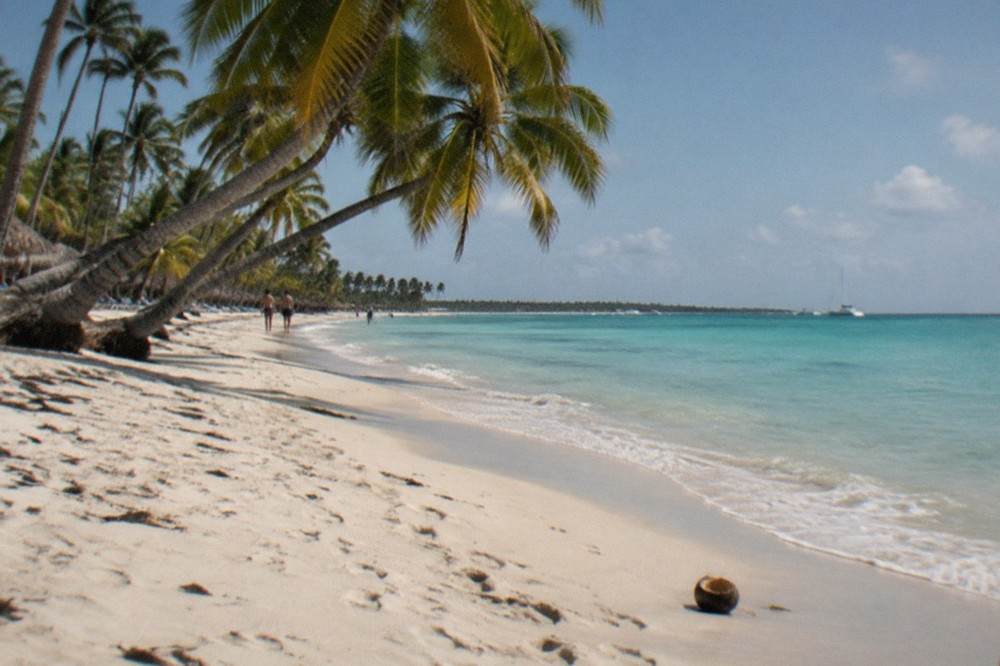
Macao Beach is the local favorite. It sits about 30 to 40 minutes north of the hotel zone, and it is the same beach that dozens of buggy and horseback tours use as their scenic stop. Those tours charge $58 to $70 per person for the ride; the beach itself is free if you make your own way there by public transport or taxi. The surf is stronger here than on the sheltered Bávaro stretch, so swim with care and near the lifeguarded zones where they exist.
Uvero Alto and the northern end of the hotel strip are quieter and equally free to walk. Early morning is the best window: the sand is untouched, the fishing boats are coming in, and the heat has not yet built. Local vendors rent loungers and sell drinks along the public stretches, which is where a "free" beach day can quietly become a $40 day if you are not paying attention. Set a budget before you sit down.
Beyond the sand, the Verón and Bávaro town areas cost nothing to wander. This is where the actual Dominican Punta Cana lives: colmado corner stores, roadside fruit stands, barbershops, and small churches. It is a half-day of walking that most resort guests never do, and it is the cheapest cultural experience in the region. Our broader overview of the area's options, including the paid ones worth their price, sits in the best Punta Cana excursions guide.
How Does A Pay-What-You-Want Walking Tour Work?
You book a spot online for no fixed price, meet the guide at an agreed point, walk roughly two hours, and pay what you feel the tour was worth at the end, typically $15 to $50 per person. It is a real, verified listing on GuruWalk, an independent platform, not a tour run by this site. The specific walk is "A historical visit to colonial Santo Domingo: Discover the first settlement in the Americas", led by Josue, a licensed national tour guide. It covers the Zona Colonial of Santo Domingo, a UNESCO World Heritage Site and the oldest European settlement in the Americas.
The obvious catch is geography. Santo Domingo sits roughly 115 to 127 miles from Punta Cana, two to three hours one way on the Autopista del Coral, so the walk is only free if you are already in the capital or willing to arrange your own transport. For visitors based in Punta Cana, the realistic play is a day trip: get yourself to Santo Domingo in the morning, take the walk, explore on your own in the afternoon, and return in the evening. Bus fares and shared transfers make that possible at a fraction of a standard guided excursion.
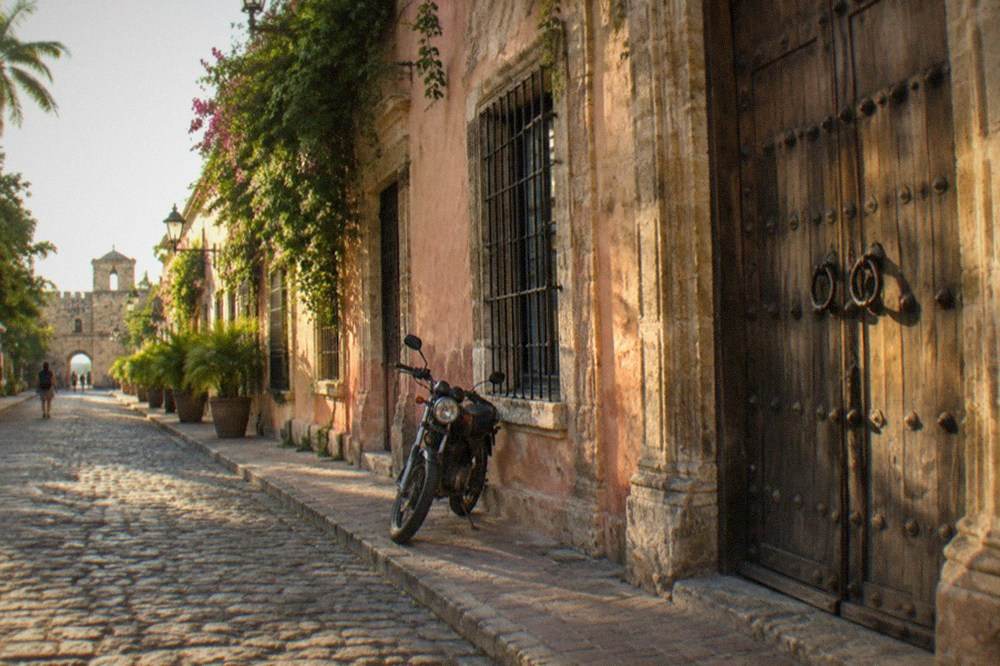
What the walk covers is the heart of the old city: Calle Las Damas, the first paved street in the Americas, the Alcázar de Colón, the National Pantheon, and the exterior of the Primate Cathedral of the Americas, the oldest cathedral in the Americas. A licensed guide like Josue adds the history layer that a self-guided wander misses entirely: who built what, when, and why the street grid looks the way it does. You can reserve a place here: See This Free Tour On GuruWalk.
If you would rather compare this against paid alternatives before committing, three day-trip options from Punta Cana cover the same region with very different formats and prices:
The pay-what-you-want model deserves one honest note. Guides on these platforms earn their living from tips, so a fair contribution is not $5. The typical range cited by the platform itself runs roughly $15 to $50, and a two-hour licensed-guided walk in a World Heritage zone sits comfortably at the middle of that band. Compared with a $95 group tour, even a generous tip leaves you well ahead, provided you have solved the transport question yourself.
| Cost item | Pay-what-you-want walk | Paid full-day city tour |
|---|---|---|
| Guide fee | Whatever you choose, typically $15-$50 | Included, from $95 per person |
| Round-trip transport from Punta Cana | Not included, arrange your own | Included, hotel pickup |
| Meals | Not included | Lunch and drinks included |
| Three Eyes National Park | Not included | Included |
| Chocolate Museum visit | Not included | Included |
| Duration on site | About 2 hours plus your own time | 10 to 12 hours total |
Which Beaches And Local Spots Cost Nothing?
The free list is short but real: Macao Beach, the public stretches of Bávaro and Uvero Alto, the Verón town streets, and any coastal walk you do on your own two feet. Everything marketed as an excursion, boat trip, or park entry carries a price, even when it looks like just a beach. The distinction matters because many "free beach day" offers sold around the hotel zone are actually transport packages with a beach attached. The sand is free; the chair, the ride, and the lunch are not.
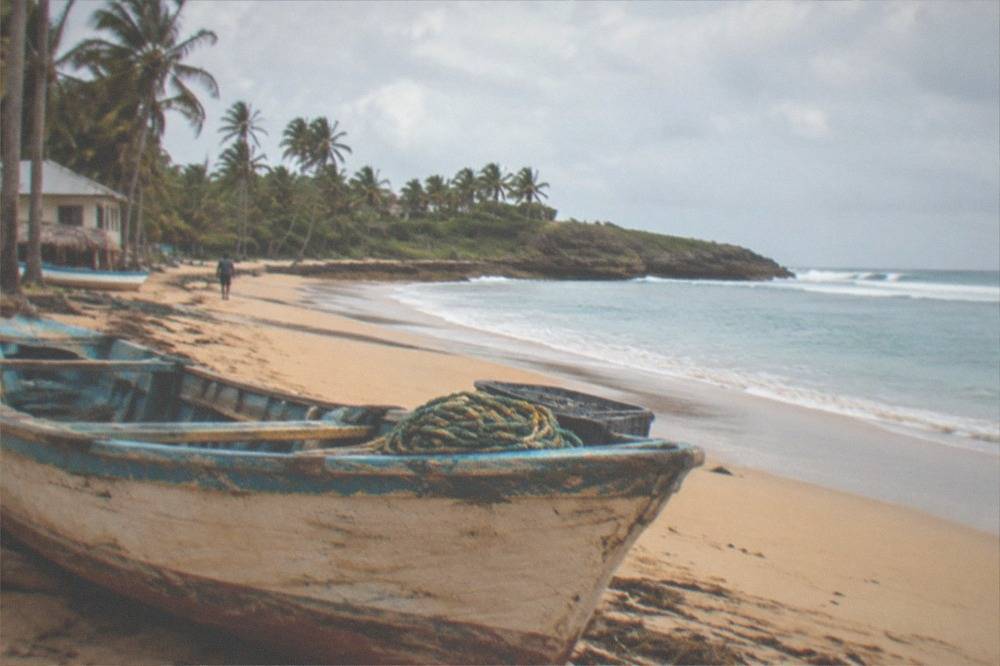
Timing affects the free beach experience more than the paid one. Sargassum seaweed season in the Dominican Republic peaks between May and August and declines from September, with November through March the reliably cleanest window. The forecasts for the Punta Cana area during late September showed most beaches, including Bávaro, in clean condition. A free beach day depends on the seaweed showing up or not; a boat excursion simply moves you past it to clear offshore water.
Local food is the cheapest upgrade available. A lunch at a colmado or a roadside kitchen runs a few dollars for rice, beans, chicken, and plantains, against $25 to $40 for hotel-zone restaurant food. Eating where locals eat is both a saving and one of the more genuine cultural exposures in the region. For a fuller treatment of how seaweed affects planning across the year, see our guide on the best time to visit Punta Cana for sargassum conditions.
One more free category deserves a mention: window-shopping the hotel zone itself. The Bávaro strip, its plazas, and the Sunday-movement around the local churches cost nothing and give a fair picture of how the town's two halves, resort and resident, coexist. It is low-key, but so is the price.
What Should You Realistically Budget Per Day?
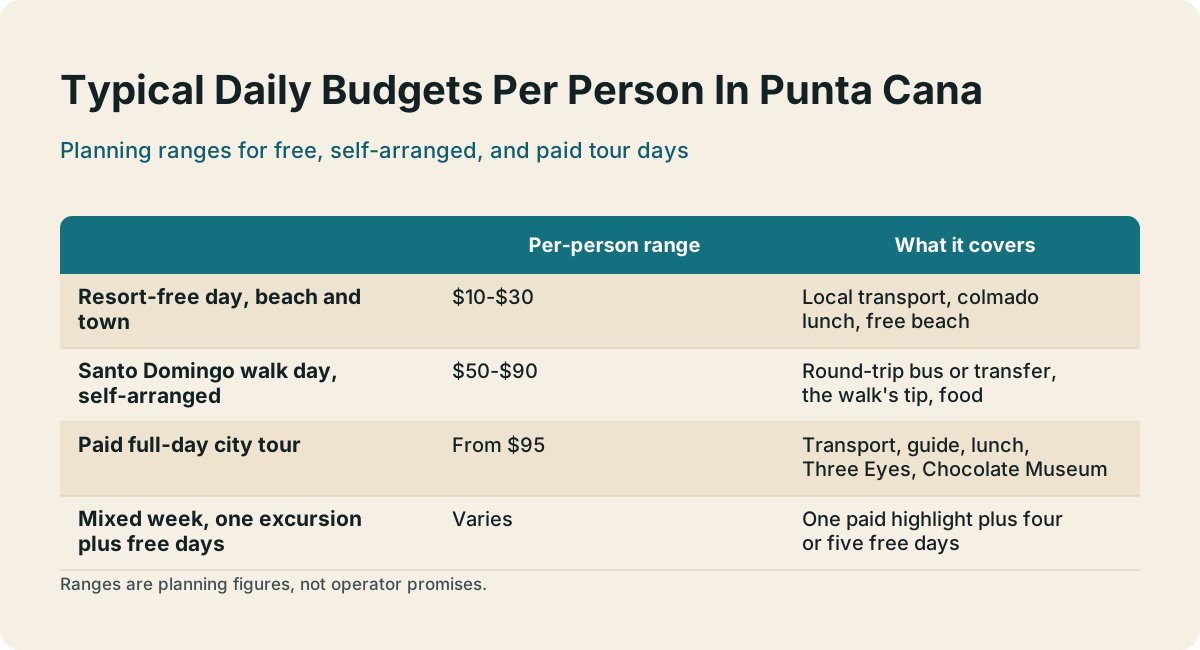
A realistic no-resort day in Punta Cana runs $10 to $30 per person: public transport or a shared taxi, a local lunch, and a free beach or town walk. A day built around the Santo Domingo walk runs $50 to $90 per person once you add intercity transport and food, still below the $95 starting price of the paid full-day tour. These are planning ranges, not operator promises, and they assume you skip organized excursions entirely.
The biggest variable is how you move. A public bus toward Higüey or Santo Domingo costs a few dollars; a private transfer for the same route costs many times that. Mid-range options, shared shuttles and regular intercity coaches, sit between. Families and groups find that a private vehicle splits well, solo travelers do not. For context on when booked excursions drop in price, our piece on the best time to book Punta Cana excursions covers the seasonal pricing pattern.
| Daily budget style | Typical per-person range | What it covers |
|---|---|---|
| Resort-free day, beach and town | $10-$30 | Local transport, colmado lunch, free beach |
| Santo Domingo walk day, self-arranged | $50-$90 | Round-trip bus or transfer, the walk's tip, food |
| Paid full-day city tour | From $95 | Transport, guide, lunch, Three Eyes, Chocolate Museum |
| Mixed week, one excursion plus free days | Varies | One paid highlight plus four or five free days |
A note on entry formalities, since they touch every budget: the Dominican e-ticket, a single free digital form covering entry and exit, is mandatory for all passengers arriving by commercial flight and must be completed online before you travel through the official e-ticket portal. There is no paper tourist card to buy at the airport anymore; the old $10 fee has been folded into airfare since April 2018, per the Dominican tax authority's own page. Neither adds a line to your daily budget, but both are worth knowing before you land.
What Does The Paid Santo Domingo Tour Add Over The Free Walk?
The paid full-day tour adds round-trip transport from your Punta Cana hotel, a typical Dominican lunch, and entry to Three Eyes National Park and the Chocolate Museum, none of which the free walk includes. It runs 10 to 12 hours, is rated 5.0 across 5,301 reviews, and starts at $95 per person, the highest-rated and most-reviewed cultural day trip on the site. The free walk covers the Zona Colonial itself in about two hours; the paid tour wraps that same historic core in a full day of logistics and extra sites.
The transport piece is the honest gap. Two to three hours each way on the highway is a real commitment, and doing it yourself means booking a bus, timing a connection, and carrying your planning risk. The paid tour removes that entirely with hotel pickup. For a traveler with one free day and no appetite for bus schedules, that alone can justify the price difference. The tour's rating pool is large, so the score carries genuine weight rather than reflecting a handful of reviews.
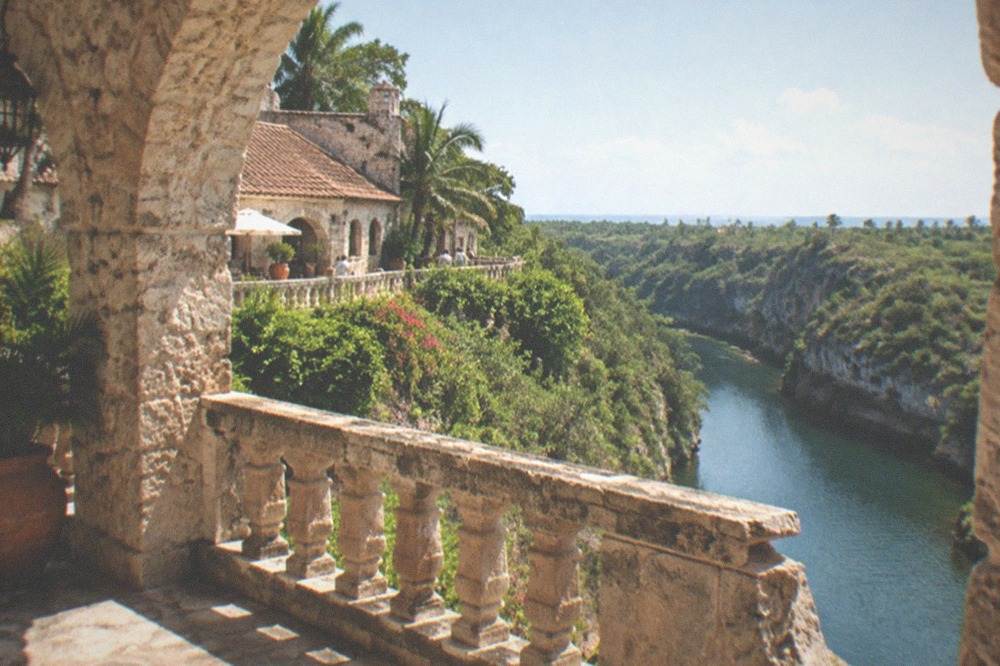
Two neighboring options compete for the same day. Pairing Altos de Chavon's Mediterranean-style village with a Saona beach stop, this full-day trip runs from $92, rated 4.4 across 346 reviews. The Casa de Campo and Altos de Chavon cultural tour, from $120 and rated 4.8 across 30 reviews, is the priciest of the cultural day trips and stays focused on the inland sites. The free walk covers neither Altos de Chavon nor Saona; if those matter to you, the paid routes are the only practical way to reach them from Punta Cana.
The choice usually comes down to travel style. Budget travelers who enjoy arranging their own buses get a rewarding day from the walk plus independent exploring, at roughly half the cost. Travelers who want zero logistics, a guaranteed lunch, and a packed itinerary get that from the paid version. Neither is wrong; they are different products that happen to share a historic center.
| Option | Price | Duration | Rating and pool | Covers |
|---|---|---|---|---|
| GuruWalk pay-what-you-want walk | No fixed price, tip $15-$50 typical | About 2 hours | Set by platform, not listed as a score | Zona Colonial walking tour |
| Full-day Santo Domingo city tour | From $95 | 10-12 hours | 5.0 across 5,301 reviews | Transport, lunch, Zona Colonial, Three Eyes, Chocolate Museum |
| Saona Island and Altos de Chavon day trip | From $92 | Full day | 4.4 across 346 reviews | Altos de Chavon plus Saona Island |
| Casa de Campo cultural tour | From $120 | About 6 hours | 4.8 across 30 reviews | Casa de Campo and Altos de Chavon |
How Do Free Days Compare Across A Week?
Across a seven-day stay, a traveler who books one paid excursion and fills the rest with free days can keep total activity spend near $150 per person, against many times that for a week of daily paid excursions. The saving comes almost entirely from the beaches, the town walks, and the one self-arranged Santo Domingo day. That is the arithmetic that makes the free-and-low-cost approach worth planning rather than drifting into.
The infographic below lays out how the cost per active day moves as you shift from all-free to all-paid. The bars compare a free local day, a self-arranged walk day, and the paid tour day side by side.
The pattern holds best for longer stays. On a three-night trip, spending one of your days on buses is a poor trade; the paid tour or a simple beach week makes more sense. On a ten-day stay, one self-arranged Santo Domingo day plus one paid excursion plus free days in between is a genuinely good balance. Budget planning should follow trip length before anything else.
Is The Free Approach Right For Every Traveler?
No. The free approach suits independent travelers comfortable with public transport, flexible timing, and self-guided exploring. Families with small children, visitors on short stays, and anyone who values door-to-door logistics over savings will get more from paid excursions. Honesty matters here: the savings are real, but they are earned through planning effort, not handed over automatically.
Language is one honest friction point. The free walk's value depends partly on your guide's English, and while licensed national guides generally work in multiple languages, a self-arranged day around town involves Spanish at bus counters, colmados, and taxi stands. Basic phrases and a translation app cover most of it, but travelers who find that stressful should factor the comfort of a guided product into their decision.
Safety guidance is straightforward. The US State Department rates the Dominican Republic at Level 2, exercise increased caution, with the concern centered on urban crime rather than resort zones. The Colonial Zone has dedicated tourist police, and the standard advice is to stay in the touristed areas, keep daytime hours for exploration, and use professional drivers or known transport on the highway. Anyone weighing a fuller comparison of the two destinations can read our piece on Santo Domingo versus Punta Cana as a base.
If you do build the self-arranged Santo Domingo day, remember the park-access nuance on the coast side: Saona Island sits inside Cotubanamá National Park, and its entrance fee is bundled into commercial tour prices rather than paid separately, per the environment ministry's park page. Free beach days elsewhere on the coast carry no such fee at all.
Common Questions About Free Things To Do In Punta Cana
Are Beaches In Punta Cana Free To Access?
Yes. Beaches in the Dominican Republic are public below the high-tide line, so you can walk onto nearly any stretch of sand, including those in front of resorts. Loungers, umbrellas, and drinks sold by vendors are extras, which is where a free beach day picks up cost.
Is The Santo Domingo Walking Tour Really Free?
It is pay-what-you-want with no fixed price, listed on GuruWalk, an independent platform. The guide is Josue, a licensed national tour guide, and the walk runs about two hours through the Zona Colonial. Typical contributions run roughly $15 to $50 per person, and fair tipping is expected since that is how the guide earns.
How Do I Get From Punta Cana To Santo Domingo Cheaply?
The distance is roughly 115 to 127 miles, two to three hours one way. Intercity buses and shared transfers cost a fraction of a private driver; a private transfer saves time and splits well for groups. Build your day around an early start so you have afternoon time in the Colonial Zone.
What Does The Paid Santo Domingo Tour Include That The Free Walk Does Not?
Round-trip hotel transport, a Dominican lunch, and entry to Three Eyes National Park and the Chocolate Museum. The paid tour runs 10 to 12 hours, is rated 5.0 across 5,301 reviews, and starts at $95 per person.
What Is The Cheapest Way To Spend A Day In Punta Cana Itself?
Walk a public beach in the morning, eat lunch at a colmado or roadside kitchen for a few dollars, and wander the Verón or Bávaro town areas in the afternoon. Total spend can stay under $30 per person including local transport.
When Is The Best Time For Free Beach Days In Punta Cana?
November through March is the cleanest, lowest-risk window for seaweed, while May through August carries the highest sargassum risk. Boat excursions reach clear offshore water regardless, but a free beach day depends on shoreline conditions.
The free-and-low-cost version of Punta Cana is real, but it rewards planning over improvisation. Pick the beach days that match the season, take one self-arranged day in the old capital with a pay-what-you-want guide, and reserve paid excursions for the things transport makes impossible on your own. For everything else, the coast is free and open, exactly as the law intends.