Is It Better To Go To Santo Domingo Or Punta Cana?
An honest comparison of Santo Domingo and Punta Cana: beaches, history, food, nightlife, safety and costs, plus how a day trip lets you get both on one vacation.
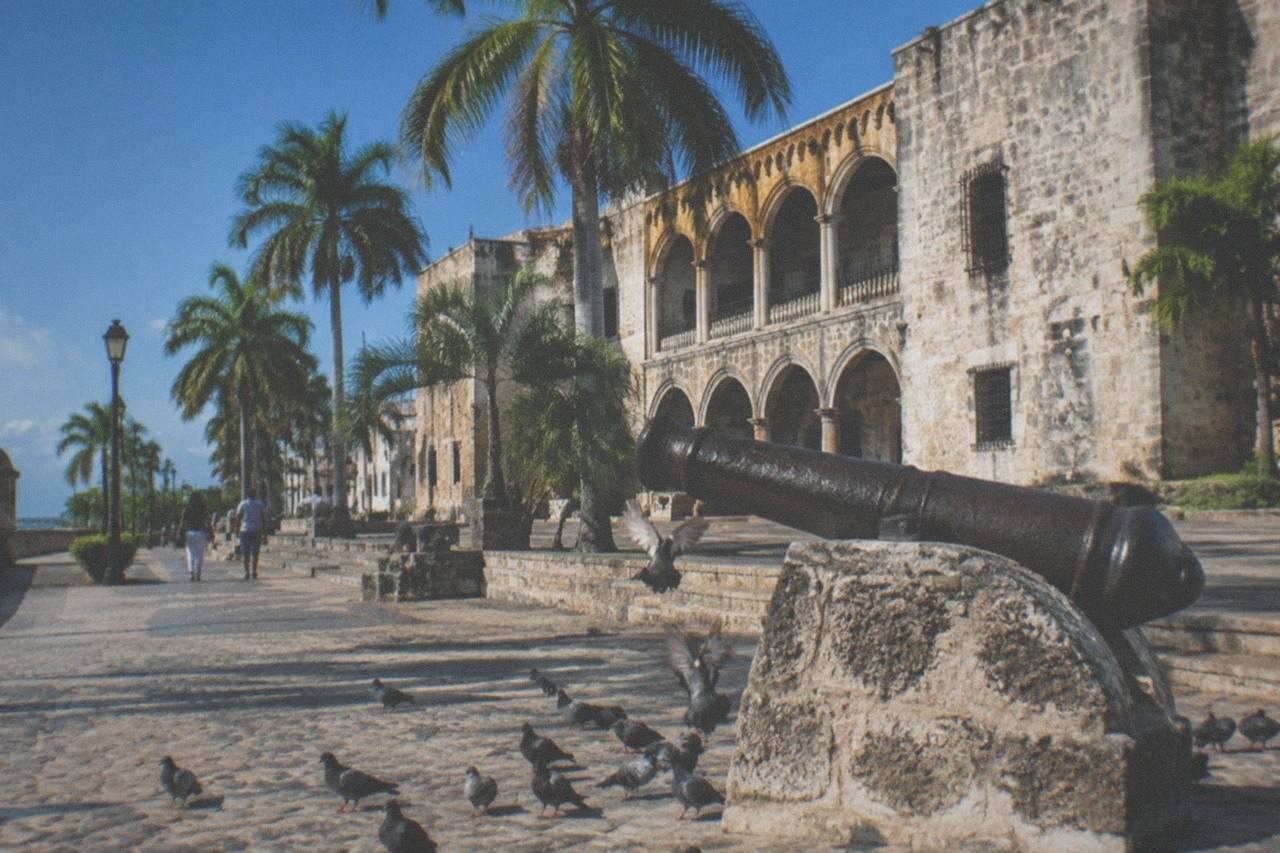
Is It Better To Go To Santo Domingo Or Punta Cana?
It depends on what the trip is for: Punta Cana is better for beaches, all-inclusive resorts, water sports and easy logistics, while Santo Domingo is better for history, colonial architecture, museums, authentic Dominican food and urban nightlife. The two sit roughly 185 to 204 kilometers apart, linked by a modern toll highway, so for most travelers a week in Punta Cana with one day trip to the capital captures the best of both.
That framing matters because the question is usually asked as a either/or when it rarely needs to be. Punta Cana and Santo Domingo serve completely different trip types. Punta Cana is a purpose-built beach destination: a chain of all-inclusive resorts along Bávaro and Uvero Alto, with an excursion economy (catamarans, Saona Island, buggy tours, snorkeling) radiating out from the hotel zone. Santo Domingo is a working capital city of nearly a million people, anchored by the Ciudad Colonial, the UNESCO-listed old town where the first cathedral, first hospital and first university in the Americas still stand.
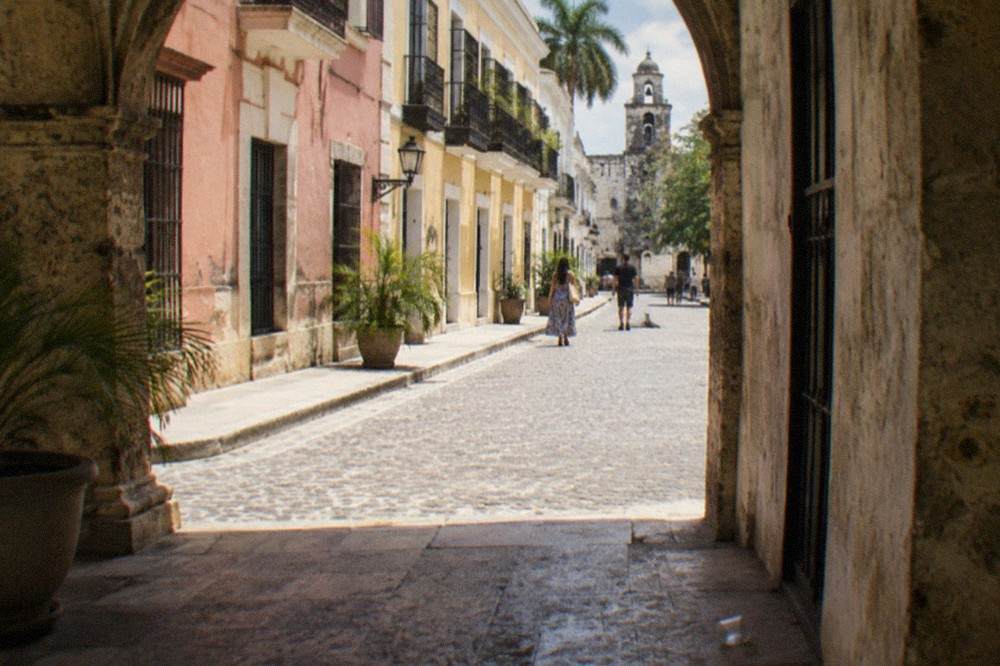
If you are choosing a base, choose by trip style. A honeymoon, a family beach week or a first Caribbean trip almost always lands in Punta Cana. A city-break traveler, a history reader or someone who tires of resort food after three days will get far more out of the capital. And if you are already booked into a Punta Cana resort, the decision has effectively been made for you: the day trip is cheap, well reviewed and easy.
The trio above covers the three realistic ways to touch Santo Domingo culture from a Punta Cana base: the full city-tour day trip, the Saona-plus-Altos-de-Chavón combination that mixes beach and heritage in one long day, and the Casa de Campo cultural tour for travelers who want the colonial village without the capital itself. We come back to each of them below.
What Does Punta Cana Do Better Than Santo Domingo?
Punta Cana wins decisively on beaches, resort infrastructure, ocean activities and trip simplicity: it holds the Caribbean's densest concentration of all-inclusive resorts, its excursions are built around water, with Saona Island catamaran tours from $79 to $82, reef snorkeling catamarans from $74, party boats and private charters, and a visitor can spend a full week without once arranging a taxi, a restaurant or a plan of their own. Santo Domingo has no comparable beach product.
That last point is the one people underestimate. Santo Domingo sits on the Caribbean side of the island, and while there are waterfront stretches, the capital is simply not a beach town. Punta Cana's entire economy is the beach. Bávaro Beach, Macao Beach, Juanillo in Cap Cana and the offshore sandbars of the natural pool near Saona are the product, and the excursion roster reflects it. The Saona Island options alone span from a budget boat-party tour at $79 with a 4.0 rating from 123 reviews up to a 5.0-rated small-group full day at $165, so the price range is wide even within a single island.
Water clarity and seaweed matter here too. Punta Cana's east-facing mainland beaches take the brunt of sargassum season, which peaks roughly May through August, while Saona Island's southwest orientation protects it; November through March is the most reliably clean window on either coast. Santo Domingo is largely irrelevant to that conversation because nobody goes there to swim. If your trip is measured in hours in the water, the comparison is over before it starts.
Punta Cana also wins on logistics for the average visitor. The airport sits ten to forty minutes from most resorts, transfer desks are everywhere, and nearly every excursion includes hotel pickup. Everything is priced in dollars, staff across the tourism strip work in English, and the failure modes (a late bus, a rainy afternoon) are low-stakes. The resort zone also concentrates adrenaline options that the capital cannot match: a half-day zipline, dune buggy and horseback combo rated 5.0 across 5393 reviews from $100, or Scape Park at Cap Cana, where full admission including the Hoyo Azul cenote starts around $129 with children from $69.
There is a fair criticism to make of Punta Cana, and honesty requires it: the resort strip is an international bubble. You can eat, drink and party for a week surrounded by other visitors and encounter very little of the Dominican Republic beyond the staff who run the place. That is precisely why the day-trip market exists, and why travelers who take one cultural day out of a beach week consistently rate it as the highlight.
What Does Santo Domingo Do Better Than Punta Cana?
Santo Domingo delivers genuine history, a real city, and the country's best food and nightlife: the Ciudad Colonial is a UNESCO World Heritage site containing the oldest cathedral in the Americas and the first paved colonial street in the New World, the restaurant scene runs from street-corner pica pollo to fine Dominican dining, and the city's theaters, plazas and live music have no equivalent anywhere in Punta Cana. Nothing in the resort zone is older than about fifty years.
The comparison on history is not close. Calle Las Damas, the first European street in the Americas, the Alcázar de Colón, the National Pantheon and the Primate Cathedral of the Americas are all within a compact walkable quarter. A guided walking tour of the zone typically takes two to three hours and covers sites that predate the United States by more than two centuries. Punta Cana, by contrast, was cattle pasture before the developers arrived; its "attractions" are natural (beaches, reefs, cenotes) rather than built.
Food is the second real difference. Resort buffets are generous but international by design, aimed at pleasing every palate at once. Santo Domingo is where Dominican cooking is done properly: la bandera (rice, beans and stewed meat), mofongo, sancocho, fresh-caught fish in garlic sauce, and a chinola juice on the side. A good day trip builds in a typical Dominican lunch, and even a single meal off the resort is a frequent highlight in traveler reviews of the city tours.
Nightlife splits the decision in an interesting way. Punta Cana has the single most famous nightclub venue in the country, Coco Bongo in the Downtown Punta Cana shopping center, a theatrical show-club running Tuesday through Sunday with doors at 8:00 p.m., main acts from roughly 10:30 p.m. to 2:30 a.m., and a smart-casual dress code. But that is one venue plus resort bars and beach clubs. Santo Domingo has an actual city's worth of nightlife: live merengue and bachata, local bars, theaters and a scene that belongs to Dominicans rather than to visitors. If you want to dance with locals, the capital wins; if you want a spectacular packaged show, Punta Cana wins.
Safety is the one category where the honest comparison leans back toward Punta Cana, and it deserves a plain sentence rather than reassurance. The US State Department's Level 2 advisory for the Dominican Republic is driven largely by crime in urban areas, including parts of Santo Domingo, while the Punta Cana tourist zone is considered notably safer. The practical reality for visitors is manageable: the Colonial Zone has dedicated tourist police active through the day and evening, the standard advice is to stay in the tourist quarter, avoid isolated neighborhoods after dark, and not flash valuables, and organized tours with a guide solve most of it automatically. A day trip is a very different risk profile from an independent city stay.
Can You Do Both On One Trip?
Yes, easily: the two are connected by the Autopista del Coral, a modern four-lane toll highway, the drive is roughly 185 to 204 kilometers each way and takes about two to three hours, and a full-day city tour from Punta Cana costs from $95 per person with hotel pickup, guide, walking tour of the Colonial Zone, cathedral entry and lunch included. Plenty of travelers wrestle with exactly this choice.
The Autopista del Coral, also signed as the Autovía del Este, is the reason the either/or question has mostly evaporated. It is a well-paved expressway with tolls running to roughly $10 equivalent each way, and it is the same road whether you ride a tour bus, a private transfer or a rental car. Daytime driving is the norm and the recommendation; the highway itself is in good condition, but caution is standard advice nationwide given the country's crash rate, which is one reason guided tours with professional drivers are the popular format.
The flagship option is the full-day Santo Domingo city tour: 10 to 12 hours door to door, rated 5.0 across 5301 reviews, from $95 per person. That review pool is enormous for a cultural excursion in a beach market, and it says something specific: travelers who expected to be bored by a bus ride and old buildings came back and rated it five stars anyway. The itinerary covers the Colonial Zone on foot, the cathedral, a stop at the Faro a Colón (the Columbus Lighthouse), and a typical Dominican lunch, with admissions bundled.
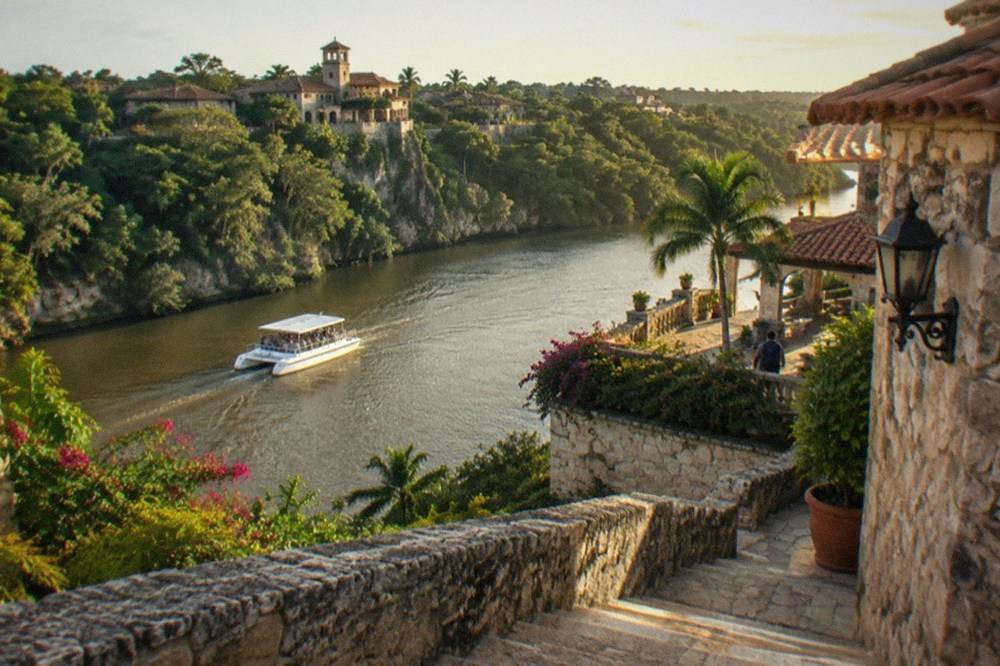
Two variants are worth knowing before you book, because they change the shape of the day. The Saona Island and Altos de Chavón day trip (4.4 from 346 reviews, from $92) is the hybrid: it pairs the island beach and boat time with Altos de Chavón, the rebuilt 16th-century Mediterranean-style artists' village perched above the Río Chavón, roughly an hour from the capital. It suits travelers who want culture as a side dish rather than the main course.
The Casa de Campo and Altos de Chavón cultural tour (4.8 from 30 reviews, from $120, about six hours) is the third path: it skips Santo Domingo entirely and visits the elite Casa de Campo resort and Altos de Chavón, effectively a condensed dose of the colonial aesthetic without the long drive to the capital. The review pool is small, so treat the rating as a signal from a few dozen travelers rather than a proven consensus, but the format is a real option for anyone who wants a shorter day.
One planning note on entry rules, because day-trippers sometimes confuse them with international ones: none of this involves a border crossing or new paperwork. The e-ticket form is an air-travel requirement, completed before your flight into the country and again before departure; it has nothing to do with riding a bus to the capital. The old US$10 tourist card has been folded into airfares for arrivals by air since April 2018, so you will not pay it at any point on Dominican soil. If you want the full arrival-day details, our guide to Tours in Punta Cana and the Dominican Republic entry requirements page covers them properly.
What Does A Santo Domingo Day Trip Cost And How Long Does It Take?
A guided full-day city tour runs from $95 per person over 10 to 12 hours including transport, guide, admissions and lunch; the hybrid Saona-plus-Altos-de-Chavón tour runs from $92 over a similar day; the Casa de Campo cultural tour runs from $120 in about six hours; and independent travelers should budget roughly two to three hours of driving each way plus tolls, parking and separate admissions if they skip the tour entirely.
The table below puts the three formats side by side using the figures from the live listings.
| Format | Price from | Duration | Rating and reviews | What it trades off |
|---|---|---|---|---|
| Full-day Santo Domingo city tour | $95 pp | 10 to 12 hours | 5.0 across 5301 reviews | Longest day, deepest history, cathedral and lunch included |
| Saona Island + Altos de Chavón day trip | $92 pp | Full day | 4.4 across 346 reviews | Splits the day between beach and heritage, less colonial depth |
| Casa de Campo + Altos de Chavón cultural tour | $120 pp | ~6 hours | 4.8 across 30 reviews | Shorter, upscale setting, skips the capital entirely |
Two costs hide inside that comparison. The first is the opportunity cost: a 10-to-12-hour day means you surrender a full beach day, so it is worth placing mid-week when Saona-style boat tours are at their most crowded and when a break from sand and sun feels welcome rather than sacrificial. The second is the food cost you avoid by touring: the tour lunch is typically included, whereas independent visitors pay separately, and the group tour's fixed restaurant stop is usually a working local kitchen rather than a tourist trap.
The independent alternative deserves a fair hearing. A private car or transfer for the full day runs in the region of $180 to $300 for the vehicle, which beats the per-person tour price only for groups of three or more, and it buys flexibility: you set the pace, linger at the Museo Alcázar Diego Colón, skip the lighthouse. The trade is that you arrange everything yourself in a city where street parking, one-way systems and confidence in Spanish all matter. For most first-time visitors, the guided tour is the better product, and the 5301-review pool is the evidence.
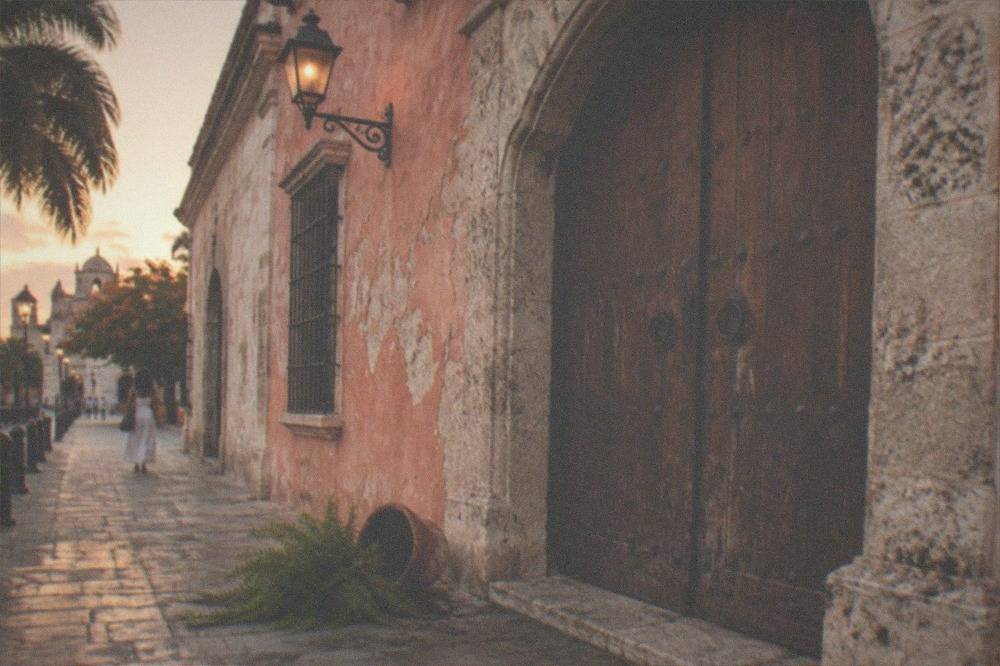
Timing within the week matters less than timing within the day. Colonial Zone touring is a daytime activity; shops, museums and the cathedral keep daytime hours, and the tourist police presence is concentrated through the day and evening. A tour that leaves Punta Cana early, roughly 7:00 to 8:00 a.m., arrives mid-morning with a full afternoon in the old town before the drive back. That is exactly the shape the good tours use, and it is one more reason to buy the day trip rather than improvise it.
Which Should You Choose For Your Trip?
Choose Punta Cana as your base if the trip's purpose is rest, water and family logistics, and add one Santo Domingo day trip; choose Santo Domingo as your base only if you are a city traveler who wants history, food and local life as the main event and is willing to trade the beach for it. For most visitors, especially first-timers and families, Punta Cana plus a day in the capital beats either city alone.
The deciding question is what you would regret missing. Travelers who sit in Santo Domingo for a week often report beach envy by day three; the capital is fascinating but it is not where you swim. Travelers who never leave the resort zone often report the opposite regret, a week in a bubble with no sense of the country they actually visited. One structured day in the Ciudad Colonial resolves the second regret almost completely, at $95 and a single early alarm clock.
Base your week in Punta Cana and the practical checklist is short. Book the resort near your excursion pickup zone (Bávaro and Uvero Alto are best served), leave one full day open in the middle of the week for the capital, and fill the rest with the water roster: a Saona catamaran day, a shorter reef-snorkeling catamaran such as the small-group cruise from $59.99 rated 4.9 across 2650 reviews, and an adrenaline morning if the group wants it. Booking excursions ahead of arrival, rather than at the resort desk, keeps the prices honest; our How To Book Punta Cana Excursions walkthrough covers that in detail, and the timing question is handled in When To Book Punta Cana Excursions for the best rates.
For the small group of travelers who genuinely should stay in Santo Domingo, the profile is specific: repeat Caribbean visitors who have already done the beach thing, culture-first city travelers, couples on a short four-or-five-day break, and Spanish speakers who want to eat, dance and move like locals. Even then, many add one or two nights in Punta Cana at the end, because the international airport connections from Punta Cana are often the reason the itinerary works at all.
The final honest note is about expectations, not logistics. Santo Domingo is a real Latin American capital: parts of it are glorious, parts are ordinary, and the tourist experience depends on staying in the right quarter with the right instincts. Punta Cana is a machine built to please you, and it does that job extremely well. Neither is "better" in the abstract; the beach week with a colonial day woven through it is simply the trip most people are actually hoping for when they ask this question, and it is the one both cities make easy.
Common Questions About Santo Domingo Or Punta Cana
Is It Better To Go To Santo Domingo Or Punta Cana?
Punta Cana is better for beaches, resorts, water excursions and simple logistics; Santo Domingo is better for history, museums, authentic food and urban nightlife. Since the two are about two to three hours apart by highway, most travelers base in Punta Cana and take a full-day city tour to Santo Domingo, which costs from $95 per person and is rated 5.0 across 5301 reviews.
Can You Visit Santo Domingo From Punta Cana In One Day?
Yes. The drive is roughly 185 to 204 kilometers each way along the Autopista del Coral, taking two to three hours. Full-day tours run 10 to 12 hours door to door and include hotel pickup, a guided walking tour of the Colonial Zone, cathedral entry, a stop at the Columbus Lighthouse and a typical Dominican lunch.
Is Santo Domingo Safe For Tourists?
The Colonial Zone is generally considered safe for visitors, with dedicated tourist police active through the day and evening. The US State Department rates the Dominican Republic at Level 2, Exercise Increased Caution, with crime concerns concentrated in urban areas including parts of the capital. Stay in the tourist quarter, avoid isolated neighborhoods after dark and do not display valuables; organized tours handle most of this automatically.
Does Santo Domingo Have Good Beaches?
Not in the resort sense. Santo Domingo is a Caribbean port city, and swimming beaches are not its product. If beaches are the priority, Punta Cana's Bávaro and Macao stretches or the offshore Saona Island are the right choice; the island's southwest orientation also shields it from much of the sargassum that affects east-facing mainland beaches in the warmer months.
How Much Does A Santo Domingo Day Trip From Punta Cana Cost?
The full-day guided city tour starts at $95 per person. The Saona Island plus Altos de Chavón hybrid starts at $92, and the Casa de Campo cultural tour starts at $120 in about six hours. Independent travelers can expect roughly $180 to $300 for a private vehicle for the full day, plus tolls, parking and admissions.
Which Has Better Nightlife, Punta Cana Or Santo Domingo?
They offer different things. Punta Cana has Coco Bongo, a theatrical show-club running Tuesday through Sunday with doors at 8:00 p.m. and a smart-casual dress code, plus resort bars and beach clubs. Santo Domingo has a real city scene: live merengue and bachata, local bars and theaters. For a packaged spectacle pick Punta Cana; for dancing with locals pick the capital.