Is It Worth Going To Downtown Punta Cana?
Punta Cana does not have a traditional downtown. The closest thing is a commercial center designed for visitors, and the real urban experience lies in a day trip to Santo Domingo or cultural villages like Altos de Chavón.
Is It Worth Going To Downtown Punta Cana?
No, because Punta Cana does not have a traditional downtown. It is a resort coast built for all-inclusive tourism, not a historic town. What some maps call "Downtown Punta Cana" is a commercial plaza with restaurants, shops, and a nightclub, useful for an evening out but not a walkable cultural center. If you want cobblestone streets, colonial plazas, and authentic Dominican city life, the real downtown experience is a day trip to Santo Domingo, two to three hours away.
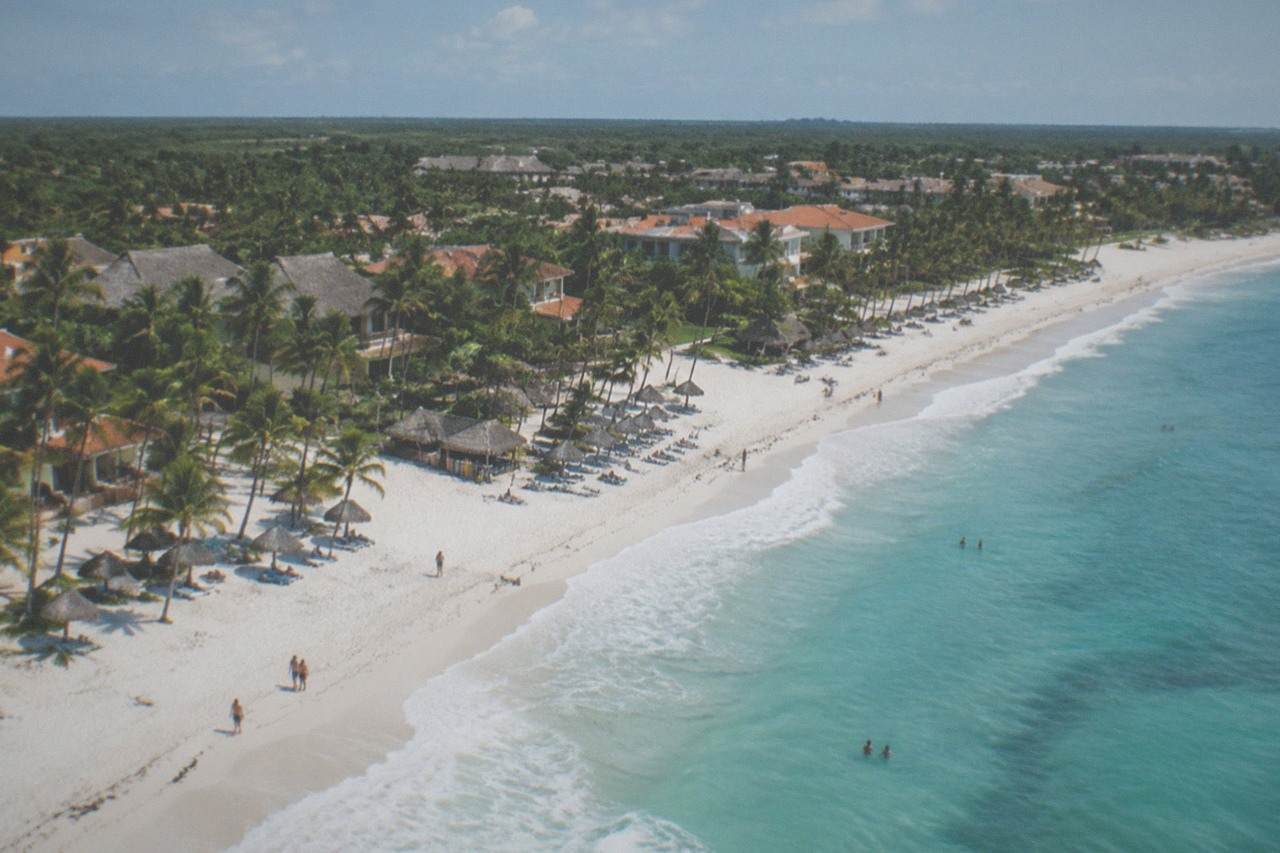
The Punta Cana you see in brochures is an engineered paradise. Stretching from Cabeza de Toro to Uvero Alto, the coastline is a string of gated resorts, golf courses, and purpose-built shopping strips. There was never an old Spanish settlement here; the area was forest and small fishing hamlets until tourism development mapped out the tourist zone. That origin story explains why asking for "downtown" draws blank stares from resort staff: the concept does not fit the geography.
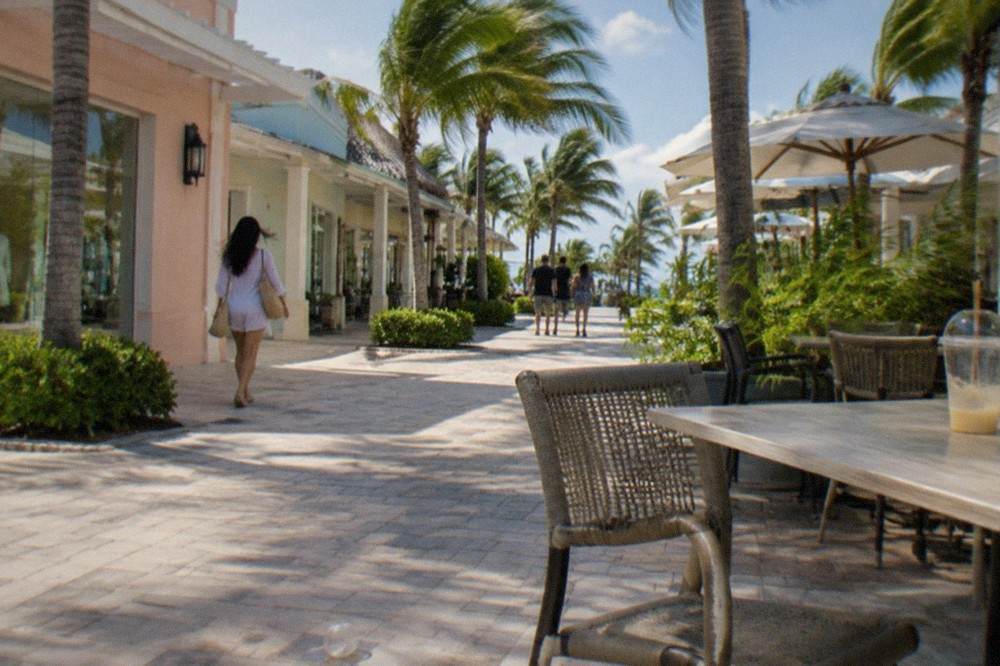
What visitors call downtown is really the Downtown Punta Cana shopping and entertainment complex in Bávaro, right across from the iconic Coco Bongo. It is a modern, open-air lifestyle center with a pharmacy, souvenir stores, a food court, and a small casino, pleasant but not a destination in its own right. A couple of kilometers away, Plaza San Juan and Palma Real Shopping Village offer more of the same: air-conditioned department stores, American fast-food chains, and a cinema. They are convenient for grabbing supplies or escaping the resort buffet, but nobody flies across the ocean to stand in a mall. If you are still weighing whether excursions justify their price tags, our excursions value comparison runs the numbers across every category.
What Is Considered Downtown In Punta Cana?
There is no official downtown district; the label sticks most often to the Downtown Punta Cana commercial plaza at Avenida Barceló in Bávaro, a concentrated area of restaurants, shops, and Coco Bongo. Other commercial hubs like San Juan Shopping Center and Los Corales cluster together along the main highway, creating a loose, car-dependent strip rather than a walkable town center.
The confusion starts with the map apps that pin "Downtown Punta Cana" on a small stretch of Avenida Barceló. That pin drops you at a modern, two-story complex with palm-lined walkways, a branch of a popular pharmacy chain, and a row of international eateries. It is a handy spot to spend an evening, especially if you are staying at a nearby resort and want a change of scenery without a long taxi ride. After an hour you will have seen most of it.
Other pockets that locals point to include the Los Corales area, where a handful of beachfront restaurants and bars sit along the sand near the Meliá resort, and Friusa, a busy crossroads with a bus station and a few budget eats. Neither feels like a downtown; they are functional places where people grab a Presidente beer or catch a guagua to Higüey. The real heartbeat of daily Dominican life, with its plazas, churches, and government buildings, lies inland in the provincial capital of Higüey, about 45 minutes west. Higüey's Basilica of Our Lady of Altagracia is a national pilgrimage site and well worth a visit, but even it does not offer the car-free, centuries-old streets visitors imagine when they ask for a downtown.
| Option | Location | Travel Time From Bávaro | What It Feels Like | Best For |
|---|---|---|---|---|
| Downtown Punta Cana Plaza | Avenida Barceló, Bávaro | 5–15 min by taxi | Modern outdoor mall with food, shops, and nightlife | A relaxed dinner or souvenir run |
| Los Corales beach strip | Near Meliá Punta Cana | 10–20 min by taxi | Beachfront bars and casual dining | Sunset drinks with sand between your toes |
| Higüey city center | West of Punta Cana airport | 45 min | Authentic Dominican working town, Basilica, local market | A cultural half-day without the tourist filter |
| Santo Domingo Colonial Zone | South coast, full-day excursion | 2–3 hours | UNESCO World Heritage site, cobblestone streets, oldest cathedral in the Americas | The real downtown experience many visitors are seeking |
The distances in the table help explain why the question comes up so often. New arrivals see "Punta Cana" on their itinerary and assume a city exists behind the palm trees. In reality Tours in Punta Cana are built around that resort-first layout, which is why many operators offer day trips to the island's only true urban core. If your idea of a downtown involves historic monuments, sidewalk cafés, and the hum of a city, you are looking at a full-day commitment to Santo Domingo.
For a shorter outing, the Altos de Chavón combo trip can scratch a similar itch with far less time in a vehicle, but the scale is smaller and the payoff is a replica village rather than an original colonial city. For a full breakdown of what the capital tour covers and how to plan it, read our Santo Domingo day trip guide.
Why Santo Domingo Gives You The Best Downtown Vibe
Santo Domingo is home to the oldest cathedral in the Americas, and its Zona Colonial is a UNESCO World Heritage site with colonial stone buildings, a dense grid of pedestrian streets lined with restaurants, galleries, and museums. A day trip from Punta Cana costs from $95 per person and includes round-trip transport, a professional guide, and a typical Dominican lunch.
The two-to-three-hour drive along the Autopista del Coral is straightforward, a modern toll road that cuts through sugarcane fields and rolling hills. By the time you step onto Calle Las Damas, you have crossed from a resort bubble into a living city. The Dominican e-ticket you filled out before your flight is the only entry formality, and the US$10 tourist card fee has been folded into your airfare since 2018: no extra payment is required on a Santo Domingo day trip.
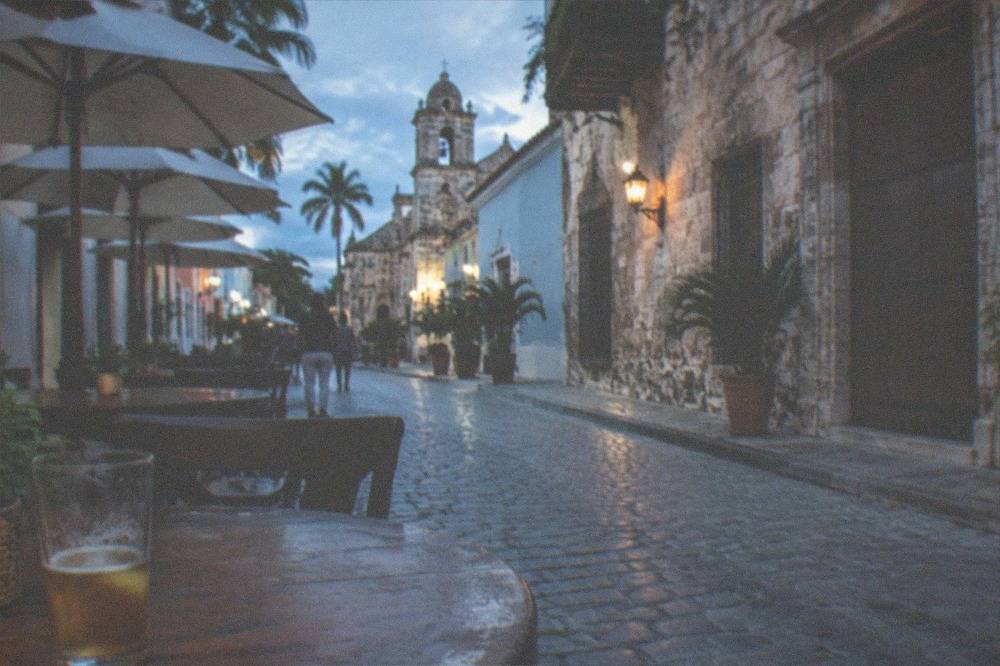
The Colonial Zone rewards wandering. You can climb the bell tower of the Cathedral of Santa María la Menor, walk through the Alcázar de Colón, the former home of Diego Columbus, and stop for strong Dominican coffee at a plaza that has been a gathering place for centuries. The contrast with the Bávaro shopping plazas could not be sharper. This is the downtown atmosphere people expect, and it delivers in a way that the resort zone never will.
Reviewers routinely call the full-day tour one of the best cultural excursions available. With a 5.0 rating from 5,301 reviews, it holds the highest review count of any Santo Domingo tour in the roster, and the consistent feedback highlights the knowledgeable guides and the efficient use of a long day. The tour packs in the Primate Cathedral, the National Pantheon, and a Dominican lunch, so you return to Punta Cana tired but with a genuine sense of the island's history.
Keep two safety tips in mind. The U.S. Department of State currently places the Dominican Republic at Level 2 (Exercise Increased Caution), and the advisory notes that urban areas like Santo Domingo have higher crime rates than the resort coast. The Colonial Zone is patrolled by tourist police, especially during daytime and early evening, so staying with your guide and avoiding isolated side streets after dark keeps the experience comfortable. The drive itself is safe; the Autopista del Coral is well-maintained and well-lit, and professional drivers handle the journey daily. The toll road costs about $10 USD equivalent each way, a small line item compared with the price of a full-day tour.
Altos De ChavóN: A Mediterranean Village Near Punta Cana
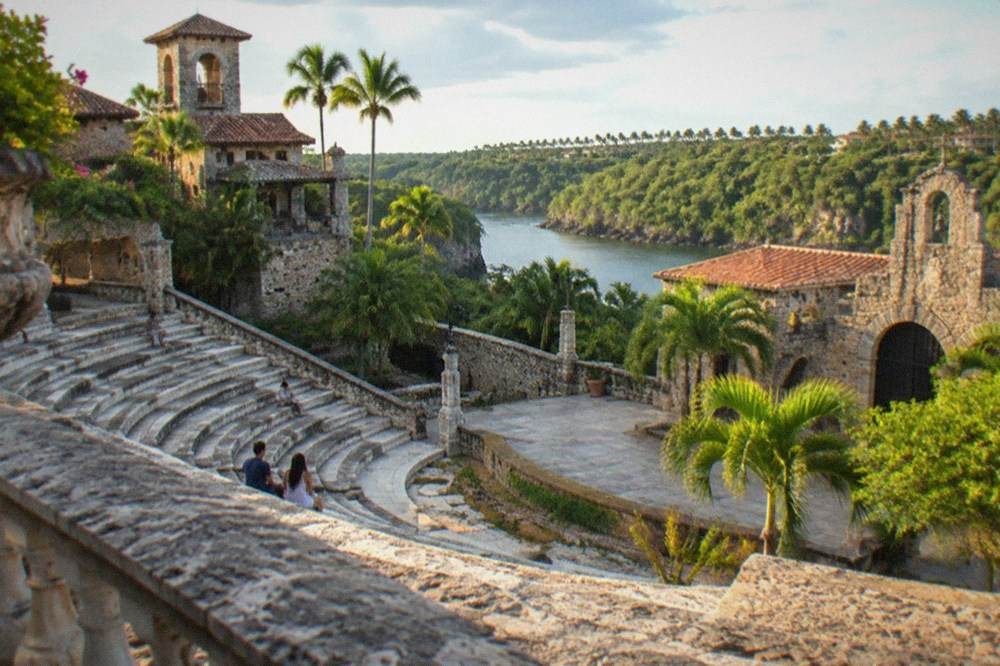
Altos de Chavón is a replica of a Mediterranean village perched on a cliff above the Chavón River in Casa de Campo, a shorter drive from Punta Cana than the capital. Its cobblestone lanes, artisan shops, and an amphitheater provide a compact, photo-ready downtown atmosphere without the long journey to Santo Domingo.
Built with imported materials and designed as a cultural center, Altos de Chavón is anchored by a stone amphitheater that has hosted major international concerts. The St. Stanislaus Church, with its bell tower, is a popular wedding venue. Walking the alleys feels like stepping into an old hill town except that you are still in La Romana province with towering tropical cliffs below.
The Casa de Campo, Altos de Chavón Cultural Tour bundles transport, a guide, and a stop at the artists' square where local painters and sculptors work in open studios. Rated 4.8 from 30 reviews on the operator's listing, it is a half-day outing that leaves plenty of beach time back at the resort. The village is compact, so you see everything in a couple of hours, yet it fills the downtown craving with character and views rather than chain stores.
A separate combo excursion pairs Altos de Chavón with Saona Island, which appeals to travellers who want culture in the morning and turquoise shallows in the afternoon. Saona itself is a national park island with no downtown at all, but when attached to the village visit the whole day feels like a well-rounded taste of the country beyond the resort walls.
What About Shopping And Dining Near Punta Cana Resorts?
The main commercial hubs for dining and indoor shopping sit along the Avenida Barceló corridor and inside the Palma Real Shopping Village. You will find recognizable global brands, grocery stores, and casual eateries, but the experience is more suburban strip mall than charming downtown market.
Palma Real, attached to the Meliá resort complex, houses a large supermarket, a cinema, and a food court with pizza, burgers, and sushi. It is air-conditioned and clean, ideal for a midday escape from the tropical heat. Across the road, Blue Mall Punta Cana pushes the luxury angle with designer boutiques and upscale restaurants, including a rooftop steakhouse. These venues serve a purpose, but they replicate the indoor mall experience you can find in any North American suburb.
For something closer to a local dining scene, head to the El Cortecito area, where a string of wooden seafood shacks and open-air bars face the beach between the Punta Cana Princess and the fishing boats. You eat with your feet in the sand, and the noise comes from waves rather than traffic. It is not downtown in any traditional sense, but it feels like a genuine corner of the coast. If you are trying to decide between the resort coast and the capital for your trip, our Santo Domingo versus Punta Cana comparison lays out the trade-offs clearly.
How To Reach The Real Urban Centers From Punta Cana
Book a guided day trip with included transport, unless you are comfortable driving a rental car on Dominican highways and handling tolls. Group tours cost from $95 for Santo Domingo, around $92 for the Saona plus Altos de Chavón combo, and roughly $120 for the dedicated Casa de Campo cultural tour. Each price covers round-trip transport, a guide, and key admissions, so you avoid the hassle of self-driving.
| Tour | Duration | Approx. Cost Per Person | Transport Included | Highlight |
|---|---|---|---|---|
| Full-Day Santo Domingo City Tour | ~10–12 hours | from $95 | Yes | Zona Colonial, cathedral, National Pantheon |
| Saona Island & Altos de Chavón Day Trip | ~full day | from $92 | Yes | Morning cultural stroll, afternoon natural pool |
| Casa de Campo, Altos de Chavón Cultural Tour | ~6 hours | from $120 | Yes | Amphitheater, artist studios, cliffside views |
Self-driving removes flexibility because traffic near Santo Domingo is aggressive, and parking in the Colonial Zone is scarce. The guided tours also handle the logistics of the toll road, which runs about $10 USD equivalent each way, and include a Dominican lunch. All the tours listed let you cancel for free up to 24 hours in advance, so they carry little booking risk.
Downtown sits about 5 to 20 minutes from most resorts: the closest thing to a downtown with cobblestones, museums, and a central plaza is Santo Domingo, while Altos de Chavón offers a smaller, stylized alternative much closer. Both require a vehicle, which is why organized day trips dominate the market.
So, Is It Worth Going Downtown In Punta Cana? Our Verdict
If you want a true downtown with history, street cafés, and walkable plazas, the answer lies in Santo Domingo, not in Punta Cana's commercial zones. The resort coast's shopping centers are fine for a casual evening, but they are not worth building a trip around. Setting aside one full day for the capital is the only way to check the "downtown" box with a straight face.
For travellers who dislike long car rides, the Altos de Chavón day trip or the Casa de Campo cultural tour are the compromise. They offer a taste of architecture, art, and a different pace without spending five hours on the road. Yet they are villages, not cities, and the scale is modest.
Whichever route you take, the essential realization is that Punta Cana was built for the beach, not for urban exploration. That is not a flaw; it is just a design choice. Once you accept it, the downtown question becomes an opportunity to see another side of the Dominican Republic, one well worth the journey.
Common Questions About Downtown Punta Cana
Is It Worth Going To Downtown Punta Cana?
Only if you understand that there is no traditional downtown. The commercial plaza in Bávaro serves as a convenient night out, but the real urban experience requires a day trip to Santo Domingo or a cultural village like Altos de Chavón. Neither is in Punta Cana proper.
Does Punta Cana Have A Downtown?
No, Punta Cana has no historic downtown. It is a resort zone with several shopping and entertainment plazas. The area labeled "Downtown Punta Cana" on some maps refers to a modern outdoor mall, not a central business district or a colonial quarter.
What Is The Closest City To Punta Cana?
The closest sizable city is Higüey, about 45 minutes west, which has a basilica, local markets, and a Dominican town atmosphere. The capital, Santo Domingo, is roughly two to three hours away and is the island's cultural and historic center.
Is It Safe To Go To Santo Domingo From Punta Cana?
Yes, especially when traveling with a guided group. The Colonial Zone is patrolled by tourist police, and daytime visits are safe. The drive along the Autopista del Coral is well-maintained and routinely used by tour operators. Standard urban precautions apply after dark.
How Long Does It Take To Get To Santo Domingo?
The drive from Bávaro to Santo Domingo is 185 to 204 kilometers and takes roughly 2 to 3 hours by car or tour bus. A full-day excursion typically lasts 10 to 12 hours with all site visits and lunch included.