When's The Worst Time To Go To Punta Cana?
The honest answer to Punta Cana's worst travel window, through the lens of sargassum seaweed season, rain, and which tours still work when the beaches turn brown.
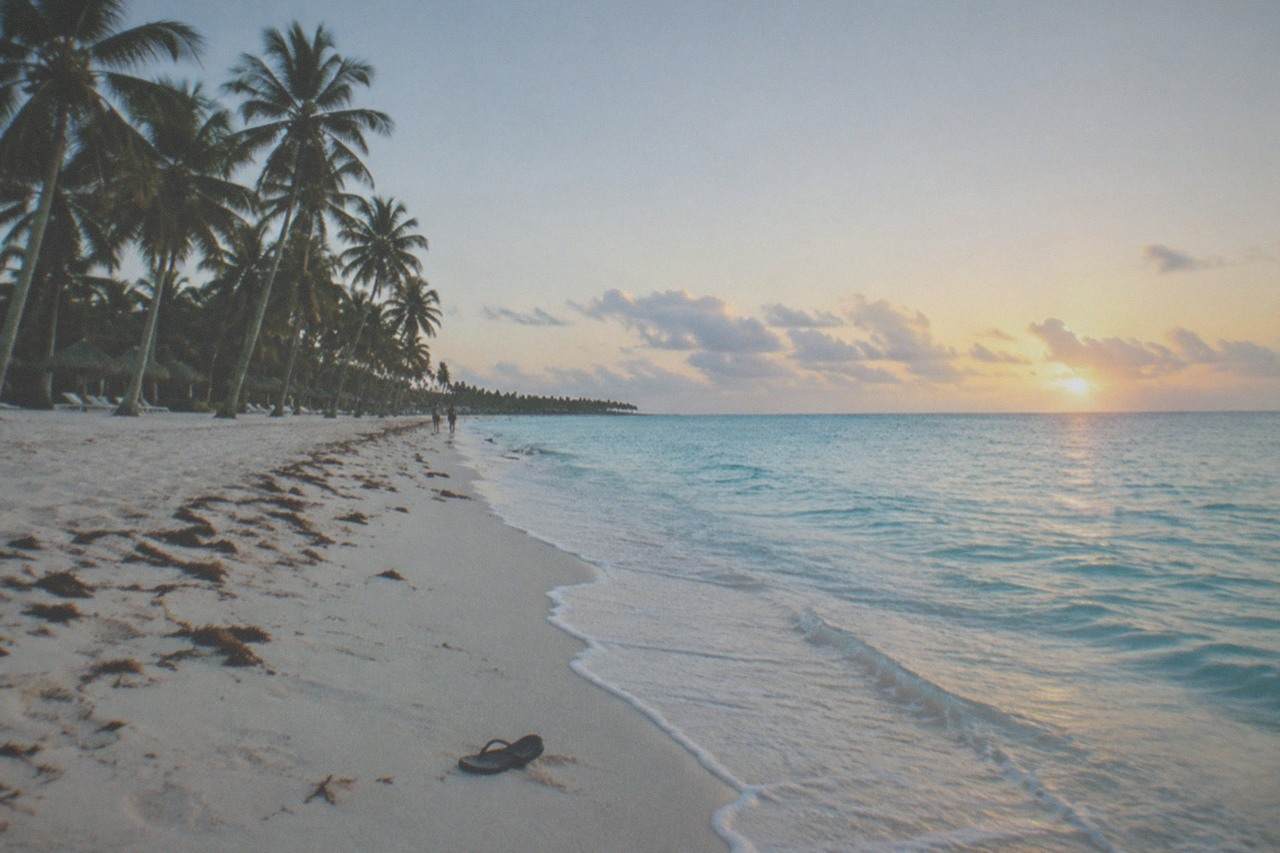
The worst time to visit Punta Cana is late May through August, the peak of the sargassum seaweed season, when Atlantic currents push floating mats of brown algae onto the east-facing beaches of Bávaro and Punta Cana. It is not the scariest-sounding risk, and that is exactly why it catches travelers off guard. People plan around hurricane season and arrive in June to find the water at their resort's beach looking like murky brown soup, with a smell that hangs over the sand by mid-afternoon.
The good news is that the worst window is predictable, and it does not ruin every activity. Seaweed lands hardest on the mainland beaches; the offshore reefs, sandbars, and southwest-facing islands that boat tours visit sit in a different current pattern entirely. This article walks through the month-by-month picture, why the seaweed behaves the way it does, which tours still work during the brown months, and how to check conditions before you commit to a week.
When's The Worst Time To Go To Punta Cana?
The worst stretch is May through August, with the heaviest seaweed usually arriving in June and July, when sargassum pushed across the Atlantic by prevailing currents collects against Punta Cana's east-facing shoreline. Rain also ticks upward in May, and by August the combination of algae, heat, and humidity makes the mainland beaches the least pleasant they get all year. September sits at the tail of the season and improves as the month goes on.
September through November sees sargassum decline with only sporadic, manageable amounts, and November through March is reliably the cleanest, lowest-risk period of the year. Live forecasts for the Punta Cana area have recently shown mostly clean conditions, with area beaches rated clean and scoring around 68 out of 100 on seaweed condition indexes. In other words: the algae problem is real, but it is a seasonal wave with a defined shape, not a permanent condition of the coast.
One thing worth understanding early: sargassum is not a local pollution problem and no resort caused it. It is a naturally occurring brown algae that originates in the Sargasso Sea and drifts westward with the Atlantic's wind and current belts. Some years deliver huge volumes, other years far less, and the difference between a brown beach and a postcard beach can be a single day of wind direction. Daily fluctuation is the norm, which is why checking a forecast close to travel matters more than any fixed rule.
If your travel dates are locked to the summer school holidays, do not cancel. The sections below explain which parts of a Punta Cana trip survive the seaweed season largely untouched, and boat-based tours are at the top of that list. A catamaran, a reef snorkel, and a sandbar stop in waist-deep offshore water are exactly the experiences the algae cannot easily reach.
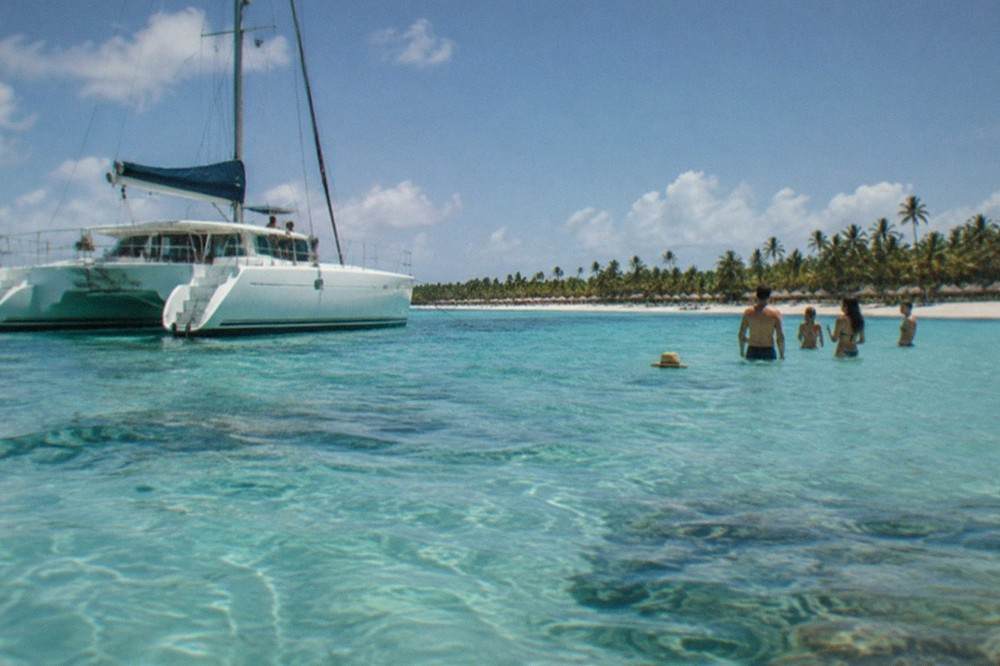
Boat excursions anchor the summer itinerary for a reason. The small-group cruising and snorkeling catamaran option runs about 3.5 hours on the water, holds a 4.9 rating across 2,650 reviews, and starts from $59.99 per person, which makes it one of the least expensive reliable clear-water experiences on the coast. The full-island alternative, a Saona catamaran day with buffet lunch, starts from $82 and carries a 4.4 rating across 4,699 reviews, a huge sample built over many summers.
If you are weighing a summer trip against moving it a few months, the tours below are the ones travelers lean on when the beach in front of the hotel is not cooperating.
What Months Have The Most Seaweed In Punta Cana?
May, June, July, and August carry the highest seaweed risk, with the true peak typically in June and July, when water temperatures and Atlantic currents combine to deliver the largest landings of sargassum on Punta Cana's east-facing beaches. April is a shoulder month that can go either way. September, October, and November form a slow decline, and December through March is the low season for algae, coinciding with the most popular travel window of the year.
The pattern repeats every year with variation in volume. Forecasts note potential moderate-to-heavy sargassum seasons peaking in the warmer months, which is why summer visitors are the ones who encounter it. The Dominican Republic's east coast faces directly into the prevailing current flow, so Bávaro, Macao, and the hotel zone beaches take the landings first and hardest. Beaches with different orientation fare better, and offshore sites are a different story again.
Here is the practical shape of the year:
| Period | Seaweed risk | What it means for your trip |
|---|---|---|
| December to March | Low, reliably clean | Postcard conditions, peak prices and crowds |
| April | Shoulder, variable | Can be clean or patchy; check forecasts close to travel |
| May to August | Peak season, highest risk | Mainland beaches often affected; offshore boat tours unaffected |
| September to November | Declining, sporadic | Improves through the window; November approaches clean baseline |
The table's simplicity hides one nuance: even inside the peak, no two days look alike. Wind and currents shift the landing zones constantly, and operators adjust departure points and snorkel stops accordingly. A beach that is brown on Tuesday morning can be reasonably clear by Thursday. Travelers who arrive in July expecting the worst sometimes get lucky; travelers who arrive in April assuming it is fine sometimes do not. The forecast check, described later in this article, closes that gap.
It also helps to reframe what the seaweed actually affects. Your resort's swim zone, beach lounging, and shoreline photos take the hit. Deep-sea fishing, reef snorkeling from a boat, catamaran cruises, buggy and ATV routes inland, horseback riding, cultural day trips to Santo Domingo, and nightlife like Coco Bongo are all functionally unaffected. A summer trip is not a wasted trip. It is a trip that should be planned around the water you can reach by boat rather than the water in front of your sun lounger.
Why Do Boat Tours Still Work When The Beaches Turn Brown?
Boat tours keep working because sargassum is a floating surface algae that accumulates at the shoreline, while reefs, natural pools, and sandbars sit offshore in clear moving water that the mats do not reach. Snorkeling on excursions happens in waist-deep sandbar shallows or over reefs reached by catamaran, both positioned away from the beach landing zones, which is why operators describe boat excursions as reliable access to clear water regardless of shoreline conditions.
The physics are simple. Sargassum floats, and wind pushes it toward land, where it piles up along the sand. A reef a few hundred meters offshore, or a natural pool on a shallow sandbar, sits in water that is flushing and mixing constantly. The brown mats concentrate at the shoreline where the wind dies. So the ugliest beach view in Bávaro can coexist on the very same afternoon with guests standing in gin-clear water on a sandbar, drink in hand, a short boat ride away.
This is the single most useful planning insight for a summer trip, and it is the reason the worst time to go to Punta Cana is only the worst time for certain kinds of days. The Punta Cana snorkeling tours guide breaks down where the reef stops are and what each one includes in detail.
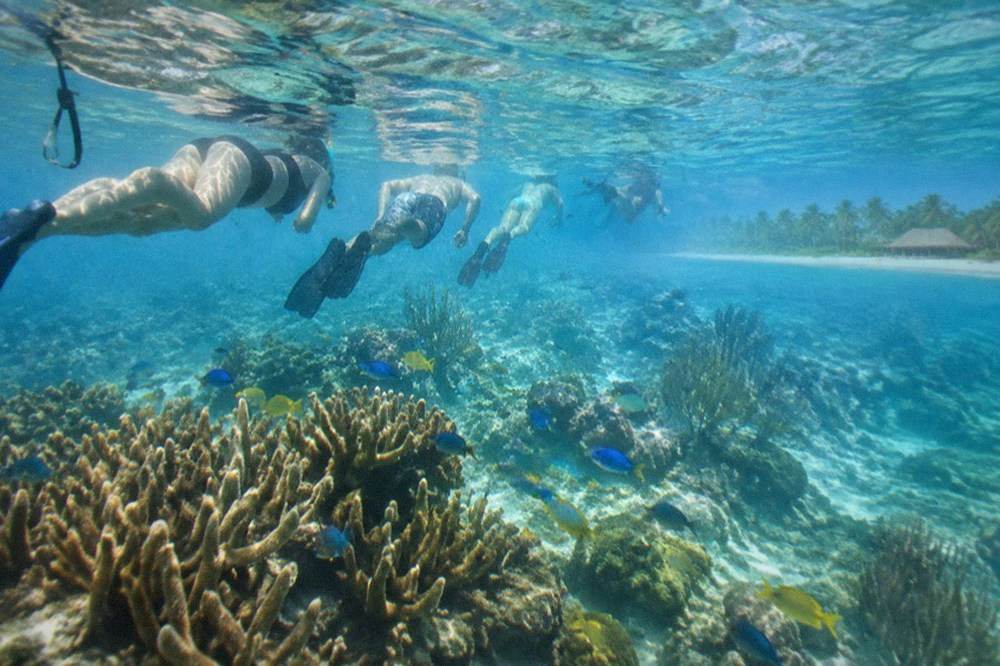
The economics tilt toward boats in summer too. Demand for excursions that depend on a pretty beach dips, while the operators running catamarans, reef trips, and island crossings keep sailing. The small-group cruising and snorkeling catamaran tour is a strong example of the category: 3.5 hours, a reef stop, a natural pool stop, an open bar, and a 4.9 rating across 2,650 reviews from $59.99. Small-group caps keep the boat from feeling like a floating festival, which matters if brown-beach frustration has already frayed your patience.
Adults-only options exist for travelers who want the same clear-water access without a party crowd. The adults-only coral reef snorkeling experience runs about 4 hours, carries a 4.9 rating from 1,805 reviews, and starts from $114. That price buys a quieter boat, a longer sail, and a reef-focused itinerary rather than a sandbar party.
If a seaweed-proof water day is the anchor of your itinerary, this is the one worth locking in early, and the free-cancellation window means a shift in the forecast costs you nothing.
There is one caveat worth stating honestly. Boat tours are not seaweed-proof in a hurricane-grade event; if a massive landing is actively drifting through a bay, the crew will move the stop, and the natural pool can occasionally catch a fringe of it. But this is an adjustment, not a cancellation. Operators reposition to cleaner water as a matter of routine, and the days when a reef stop is genuinely skippable are rare even in the peak weeks.
For travelers who prefer a smaller boat still, the small-group cruising and snorkeling option above is the category's benchmark, and it is the tour this site points summer visitors toward first.
Is Saona Island Affected By Sargassum Too?
Saona Island, part of Cotubanamá National Park, sees meaningfully less seaweed than Punta Cana's mainland beaches because of its southwest orientation and protected position, and the natural pool sandbar stop on most Saona tours is generally unaffected by shoreline conditions. Saona is not immune, since the same seasonal forces apply, but the same week can deliver a brown beach in Bávaro and a clean, swimmable shoreline on Saona.
That geographic quirk is why Saona tours are among the most recommended excursions for summer visitors. The island sits inside a national park on the Caribbean-facing side of the peninsula, sheltered from the Atlantic flow that dominates the mainland's east-facing hotel zone. The crossing itself, whether by speedboat, catamaran, or a combination, spends its time in open water where sargassum rarely concentrates.
The most-booked version is the catamaran day trip with buffet lunch, running roughly 9 to 10 hours including transfers, rated 4.4 across 4,699 reviews, from $82 per person. It includes the natural pool stop, typically 30 to 40 minutes in waist-deep water with starfish viewing, plus 2 to 3 hours of free time on Saona's beach, buffet lunch, and an open bar with beer, rum, and soft drinks. Park entry is bundled into the tour price and collected by the park, so there is no separate fee to worry about at the dock. The full picture, including speedboat versus catamaran trade-offs, is in the Saona Island tour guide.
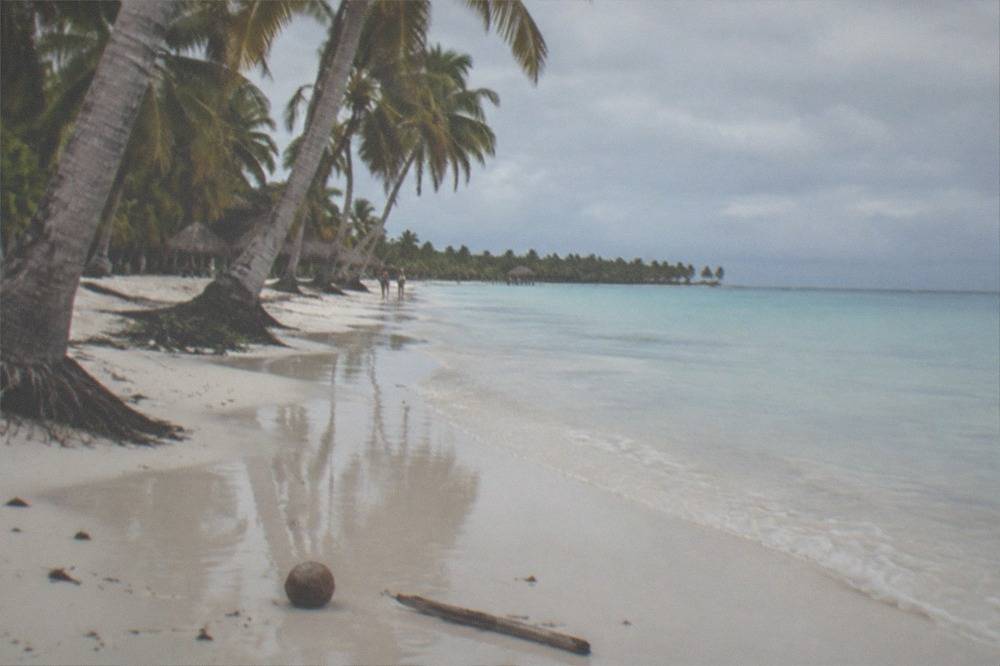
If the seaweed forecast looks grim for the week you land, a Saona day is the single best move available. You trade the hotel zone for an island with a different exposure, and you spend the transit hours on open water rather than on the sand. Small-group Saona options also exist, running from $165 with a 5.0 rating across 1,544 reviews, if the idea of a big boat crowd is part of what you are escaping.
One honest note on volume: summer is high season for seaweed, but it is not high season for tourists, which cuts both ways. Boats are less full, prices hold closer to their floor, and the beach on Saona is shared with fewer people. The trade is weather: hotter, more humid, and a higher chance of a passing afternoon shower. For travelers whose priority is clear water over dry sand, that trade is often worth taking.
What About Rain, Hurricanes, And Crowds?
Hurricane season runs June through November, but Punta Cana sits on the Caribbean's eastern edge where direct strikes are historically uncommon, and the realistic summer risk is heavy afternoon showers and humidity rather than named storms. Crowds peak December through March, which is also the cleanest seaweed window, so the trade-off is straightforward: the best beach months are the busiest and priciest, and the quietest months carry the seaweed risk.
Rain deserves more attention than hurricanes for practical planning. Summer showers in Punta Cana tend to arrive hard and briefly, an hour or so in the late afternoon, then clear. A drizzly morning often turns into a bright evening. The useful habit is scheduling boat excursions and beach days in the morning hours and keeping the late afternoon flexible, which conveniently is also when Coco Bongo-style nightlife planning takes over anyway.
The crowd-and-seaweed alignment is the real decision axis, and it deserves a table:
| Factor | December to March | May to August |
|---|---|---|
| Seaweed | Reliably low | Peak risk on mainland beaches |
| Crowds | Highest of the year | Lower, outside holiday weeks |
| Prices | Peak season rates | Closer to floor, more deals |
| Rain pattern | Occasional fronts | Short heavy afternoon showers |
| Best activity | Everything, beach included | Boat tours, island crossings, inland trips |
For families tied to school calendars, that middle row matters most. A July trip with the right tour mix costs less and crowds less than the identical February week, at the price of planning days around the boat schedule. The guide to the best time to book Punta Cana excursions covers how far ahead to lock in specific tours for each season.
How Do You Check Seaweed Conditions Before Booking?
Check a dedicated sargassum forecast service in the week before travel, since conditions shift daily with wind and currents and no month-long guarantee exists; live forecast maps for the Punta Cana area publish beach-by-beach status and condition scores, and operators themselves confirm whether a specific stop is running normally. Booking tours with free cancellation up to 24 hours in advance keeps the final decision reversible if a forecast turns.
The forecast check is not a once-and-done task. The pattern worth following is: look two weeks out for a general read, look again three days out to pick which day of your week gets the boat tour, and glance the night before. A resource like the Punta Cana sargassum forecast publishes current beach-by-beach conditions, and the companion seaweed map shows which stretches of coast are affected on a rolling basis.
Two practical moves make the whole system more forgiving. First, book tours that permit cancellation up to 24 hours in advance, which most organized excursions in the region do, so a bad forecast costs you nothing. Second, hold your beach-dependent plans loosely and your boat-dependent plans firmly: a Saona crossing or a reef catamaran will run and reach clear water in conditions that would scrub a beach day.
A final structural point, and it is the one regular travelers internalize fastest: do not stack every excursion into the first two days of a trip. Spread them across the week, front-load the flexible ones, and keep at least one open morning to re-book a boat day if a forecast dips. Punta Cana's weather and water reward the itinerary that can move a day in either direction.
If the dates are fixed and the season is the season, the trio below covers the seaweed-proof core of a Punta Cana week: a small-group catamaran for the reef, a Saona island day for the protected beach, and an adults-only sail for the quieter version of the same clear water.
For everything else this coast does well, from buggy trails to nightlife, browse the full range at Tours in Punta Cana and build the week around what the water is doing the week you arrive.
Common Questions About Punta Cana Seaweed And Timing
When's The Worst Time To Go To Punta Cana?
May through August is the worst window, driven by peak sargassum seaweed landings on the east-facing mainland beaches, plus higher heat, humidity, and afternoon rain. June and July are typically the heaviest months. If those are your only options, the trip still works well when you plan around boat-based tours and island crossings rather than hotel-zone beach days.
Can You Swim In Punta Cana During Sargassum Season?
Often yes, just not always at the beach in front of your hotel. Shorelines in Bávaro and the hotel zone can be affected, while offshore natural pools, sandbars, and reef snorkel stops reached by boat generally sit in clear water. Saona Island and its natural pool are usually the most reliable swimmable spots during the peak months.
Is Saona Island Affected By Seaweed?
Saona sees less impact than the mainland's east-facing beaches thanks to its southwest orientation and protected position inside Cotubanamá National Park. The natural pool sandbar stop is generally unaffected. It is not fully immune, since the same seasonal forces apply, but the same week can easily deliver a brown beach in Bávaro and clean water on Saona.
What Is The Cleanest Time Of Year For Punta Cana Beaches?
November through March is the reliably clean, low-risk window for sargassum, and it coincides with the driest, most popular travel season. Expect the biggest crowds and peak prices in exchange for the best water. April is a shoulder month that can go either way, so check a forecast close to travel if you are booking spring dates.
Do Catamaran Tours Get Cancelled For Seaweed?
Rarely. Catamaran tours snorkel at offshore reefs and stop at natural pools in waist-deep water away from the shoreline, where floating sargassum does not concentrate. Operators reposition stops as needed when a landing drifts through a bay. Cancellations are far more likely for weather than for algae, and most tours permit cancellation up to 24 hours in advance.
Does Sargassum Smell Or Hurt You?
Beached sargassum can give off a strong, rotten-egg smell as it decomposes on the sand, which is the main complaint beyond the look of the water. In the water it is generally harmless to swim near, though it reduces visibility and appeal. The practical fix is the same as for the visual problem: spend your water time offshore, where none of it accumulates.