What To Wear On A Punta Cana Buggy Or ATV Tour
Buggy tours in Punta Cana combine three things that fight each other on a packing list: mud, dust and a swim stop. Here is what actually works on the trail, the beach and in the cave.
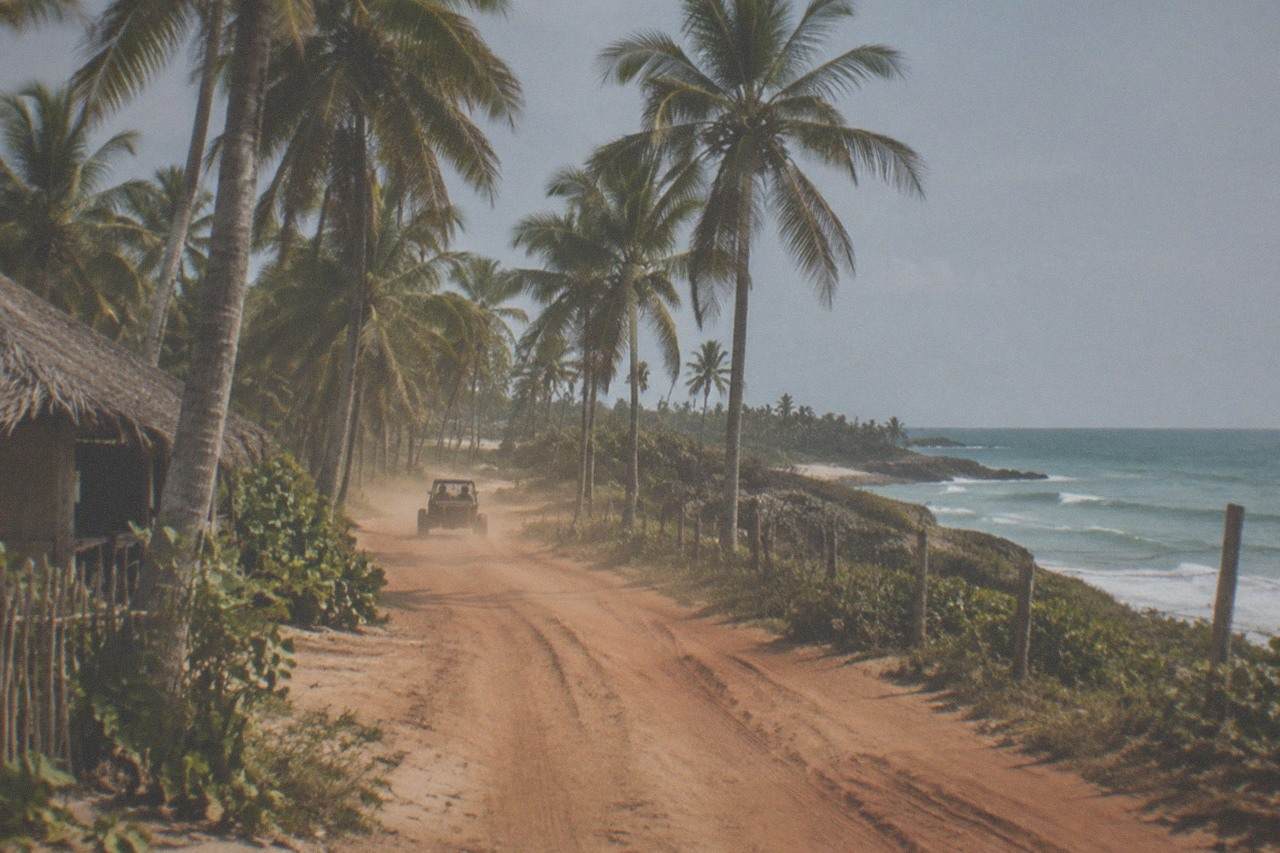
Short answer
Wear closed-toe shoes you do not mind ruining, old clothes that can get wet and muddy, swimwear underneath, and bring sunscreen, sunglasses, a bandana and a towel. Most Punta Cana buggy tours run 3-4 hours and include a cenote swim and a Macao Beach stop, so a full change of clothes for the ride home is the one item people forget.
A buggy tour in Punta Cana is not a clean activity. You drive roughly an hour of off-road trail through red mud and limestone dust, stop at a farm for coffee, cacao and mamajuana tastings, swim in a freshwater cave, and finish at Macao Beach with sand in everything you brought. Operators hand out helmets and run a safety briefing before departure, but nobody hands out clothing, and the people who arrive in flip-flops and white linen spend the day uncomfortable. This guide covers the full outfit decision, shoe by shoe and layer by layer, plus what to carry, what to lock in the hotel safe, and how the tour you pick changes the packing math. For the broader activity landscape, start with Tours in Punta Cana, then come back here before you dress for buggy day.
What To Wear On A Punta Cana Buggy Tour: The Short Answer
Wear closed-toe shoes, dark quick-dry clothing you will not mourn, your swimwear underneath, and a hat and sunglasses for the open stretches. Pack sunscreen, a bandana or face covering for dust, a towel, and a sealed bag with a full change of clothes for the return transfer. Tours run about 3 to 4 hours door to door with morning, midday and afternoon departures, so you are in the sun the whole time.
That is the core list, and almost every item on it traces back to a specific feature of the route. The trail sections throw up fine limestone dust that coats anything light-colored, which is why dark clothes win. The cave swim is a freshwater cenote with rocky entry points, which is what makes closed-toe shoes non-negotiable rather than a suggestion. And Macao Beach is a working surf beach with no shade structures, which is why sunscreen and a hat earn their place in the bag even though you will only be there for twenty or thirty minutes.
The single most common mistake is treating the trip like a beach excursion. It is closer to a light hike with a swim in the middle. People who dress for the swim first and the trail second end up walking the dusty sections in wet flip-flops, which is exactly as pleasant as it sounds. Dress for the drive, then adjust at the water stops.
The second most common mistake is overpacking. You have limited storage on the buggy itself, usually a small compartment or the space under your seat, and anything loose in the open bed tends to end up covered in dust by the halfway point. A small backpack or dry bag that zips shut is worth more on this tour than a large tote. The sections below break the outfit down piece by piece so you can build it from what you already own instead of buying a specialized kit.
The Best Footwear For A Buggy Or ATV Tour
Closed-toe shoes are the rule, and old sneakers are the best version of it. Water shoes with a thick sole are the next best option, and they double for the cave swim. Flip-flops, slides and bare sandals fail on every part of this route: they fill with dust on the trail, slip on wet rock at the cenote, and offer nothing if your foot meets the buggy frame on a rutted section.
The footwear question matters more here than on most excursions because the tour walks you through three different surfaces in half a day. The trail is packed dirt with loose stones and mud after rain. The cenote has a natural rock entry with submerged ledges. Macao Beach is soft sand that heats up fast in the afternoon slots. A pair of trainers that has already lived a full life handles all three, and you will not care what the mud does to them. Helmets are provided on every departure, but proper shoes are on you.
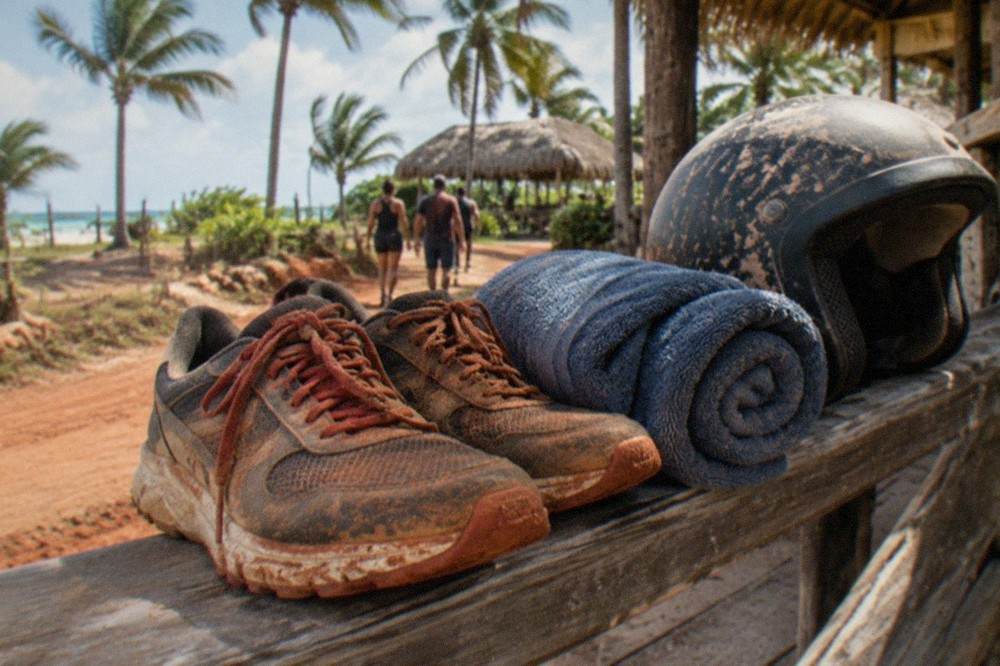
Here is how the main options compare on the trail, at the water and on the beach.
| Footwear | On The Trail | At The Cave Swim | At Macao Beach | Verdict |
|---|---|---|---|---|
| Old sneakers | Dusty but grippy | Swim in them or swap; they drain slowly | Fine | Best overall choice |
| Water shoes | Acceptable grip | Excellent, made for this | Excellent | Best if you already own a pair |
| New white sneakers | Ruined by lunch | Ruined further | Ruined completely | Do not |
| Flip-flops | Fall off, no protection | Slippery on wet rock | Fine for beach only | Wrong tour for them |
| Hiking sandals (strapped) | Decent, dusty | Workable | Fine | Acceptable second choice |
One nuance worth knowing: you do not need separate swim shoes if you pick the right primary pair. The cave pools are freshwater and the bottom is a mix of rock and silt, so a closed-toe shoe you are willing to submerge removes the whole "carry a second pair" problem. If your sneakers are precious, cheap lace-up water shoes from any pharmacy or beach shop in Bávaro solve it for a few dollars the day before.
The tour you book also shapes the footwear decision, because not every buggy itinerary includes the same stops. The most-booked full circuit on this route, the buggy, ATV, cave swim and Macao Beach tour, covers all three surfaces, rated 4.2 across 3147 reviews and priced from $70 for a roughly 4-hour run including transport. Its stops are the exact reason this footwear section exists.
If you want the in-water stops without the mud, a shorter ATV-format tour with a water cave and a Dominican culture stop runs from $64.72, rated 4.7 across 3408 reviews. The trail surface is the same, so the shoe advice does not change, but the odds of a knee-deep mud patch are lower on the farm-loop portion than on the beach-bound route. Check availability for the full circuit before you finalize your outfit, since the meeting time decides whether you are dressing for morning cool or midday heat.
Clothing For Mud, Dust And The Cave Swim
Dress in dark, quick-drying layers you would not mind throwing away: shorts or leggings, a synthetic t-shirt, and swimwear underneath so the cenote stop needs no changing room. Cotton jeans are the worst choice on the route because wet denim stays wet for the whole ride home. Bring a full change of clothes in a sealed bag, since the return transfer sits you back on a bus while you are still damp and dusty.
The color and fabric advice is not style commentary, it is chemistry. The trail dust on this route is a fine reddish powder that bonds to fabric on contact, and the mud sections add a clay component that dries into a crust. Dark synthetic fabric sheds most of it at the rinse tap near the cave; light cotton holds it for the rest of the trip and usually for the rest of the garment's life. Athletic wear you already consider past its prime is the honest sweet spot.
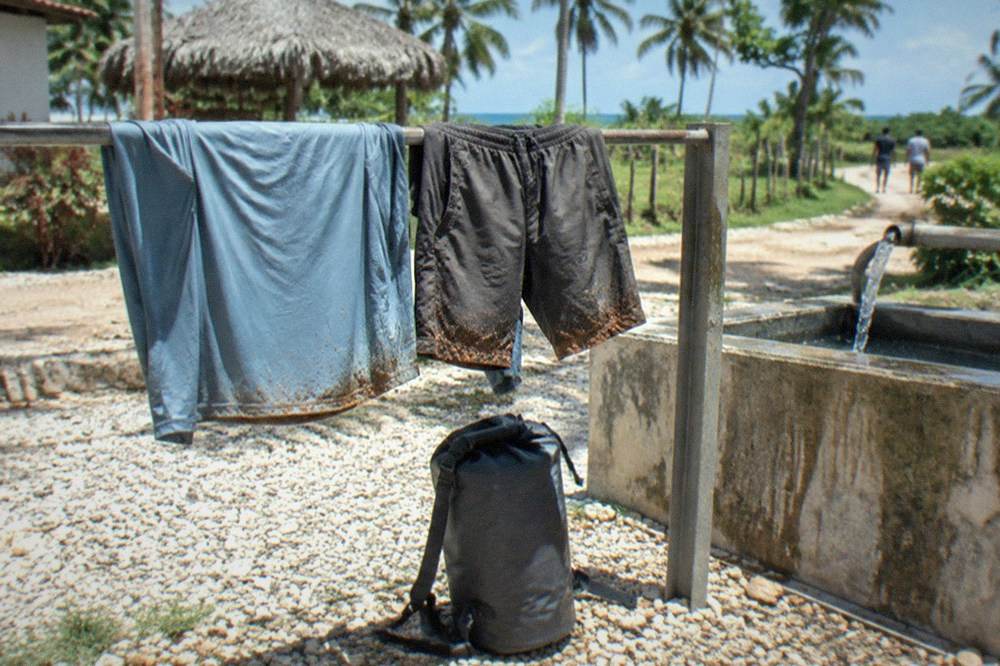
Layering matters more than people expect because the tour crosses two temperature zones. The trail sections run warm to hot, but the cenote water is noticeably cooler, and the boat-speed wind on the open beach stretch after the swim chills wet clothing fast. A light long-sleeve synthetic top you can push up or drop down handles both ends without adding bulk to your bag. Skip anything with heavy embellishment, loose drawstrings or long scarves, since loose fabric near an engine and a moving chain of vehicles is a real snag hazard, not a theoretical one.
For the cave swim itself, anything you would wear to a pool works. The pools are freshwater and shallow enough to stand in most places, so there is no current and no gear requirement beyond common sense. What surprises first-time visitors is the entry: you descend natural rock steps to the water, sometimes slick from earlier groups. That is the argument for water shoes again, and for keeping one hand free rather than carrying a phone into the cave.
| Item | Why It Earns Its Place | Better Alternative If You Have It |
|---|---|---|
| Synthetic athletic shorts | Dry in minutes after the cenote | Board shorts with a secure pocket |
| Dark quick-dry t-shirt | Hides dust, dries on the ride home | Long-sleeve rash guard for sun |
| Swimwear underneath | No changing facilities at stops | Full swimsuit if swimming is the priority |
| Light long-sleeve layer | Blocks sun on the trail, warmth after the swim | Zip-off light jacket |
| Underwear you can swim in | Avoids sitting in wet cotton for an hour | Sports version of whatever you wear |
The change of clothes deserves its own paragraph because it is the item with the highest regret-per-ounce ratio on the whole tour. You will get in a shared transfer van at the end while still dusty, damp and half-sanded, and a sealed bag with dry shorts, a shirt and clean socks turns the ride back from an endurance event into a normal bus trip. A plastic shopping bag works; a roll-top dry bag works better and protects the dry set from the wet set on the way home. Operators commonly include towels or have them available, but check your listing rather than assuming, and bring a small one if the listing is silent.
Sun Protection, Eye Protection And The Dust Problem
Bring reef-safe sunscreen and apply it before pickup, sunglasses with a strap, and a bandana or neck gaiter to cover your nose and mouth on the dusty stretches. You are in open sun for most of 3 to 4 hours with no shade on the trail or the beach, and the helmet does nothing for your face, neck or eyes. Sunglasses matter as much as sunscreen because the route runs into glare and wind at speed.
The sun math is simple and unforgiving. Punta Cana sits in the tropics, the trail offers no canopy, and the three typical departure slots, morning, midday and afternoon, all put you outside during or near peak UV. Sunscreen applied at the hotel before pickup survives better than a mid-tour application, because the dust layer that builds up on your arms blocks the lotion from reaching skin at all by the second hour. Reapply at the cenote stop while your arms are rinsed clean.
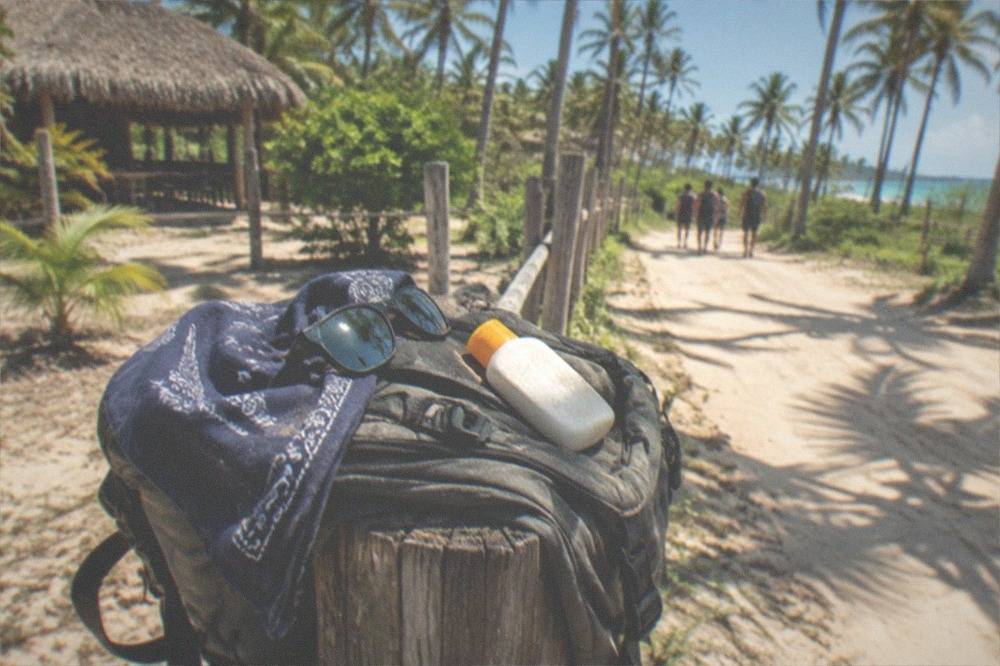
Eye protection is the piece riders most often skip and most regret. The buggy chain moves at genuine speed on the smoother sections, and without glasses your eyes stream within minutes while dust finds its way under your eyelids at every stop. Any decent pair of sunglasses works; a cheap strap or retainer keeps them on your face over the bumps and stops you doing the panicked seat-search at the beach. If you wear prescription glasses, a strap is not optional, it is the difference between seeing the trail and guessing at it.
The bandana question deserves honesty rather than hype. Operators commonly sell or sometimes provide face coverings, and 2026 listing details for the standard Punta Cana buggy circuit confirm helmets are mandatory and provided while bandanas and goggles are sometimes available to buy on site. A neck gaiter you already own does the job for free, pulled up over nose and mouth when the convoy hits the dry, dusty stretches between the farm stop and the beach. It also doubles as a towel for the cave, which is more than can be said for most things in your bag.
What the operators themselves include on the standard circuit, from pickup and a bilingual guide to the tasting stops, is documented in detail on the route and inclusions breakdown at Adventures Finder, which matches what the live listings for these tours show. One planning note from the same source worth folding into your outfit: tours typically run daily with morning, midday and afternoon departures, so pick your slot with the sun in mind. The morning slot is cooler and better for the long-sleeve layer; the midday slot is the one where you will be grateful for the hat.
If you are pairing the buggy with other activities on the same trip, the half-day ATV, water cave and Dominican culture format is the one that overlaps most with this packing list, since it shares the closed-toe-shoe rule, the same cave-style swim and the same tasting stop. It runs about 4 hours, is rated 4.7 across 3408 reviews and starts from $64.72, making it the closest dress-alike sibling to the full buggy circuit.
What To Leave At The Hotel And What To Carry
Leave behind anything you would grieve losing: passports, jewelry, nice watches, laptops and expensive cameras. Carry a phone in a zip pocket or dry bag, cash and a card for photos, souvenirs and optional extras, a small towel, your sealed change of clothes, and any medication you take on a schedule. Operators hold valuables at their own risk at best, and the buggy has no lockable storage.
The phone question is the one that decides most of the bag. You will want photos at Macao Beach and the cenote, and the realistic compromise is a phone in a sealable sandwich bag or a cheap pouch that lives in a zipped pocket when not in use. The dust on this route is fine enough to work into charging ports and speaker grilles, and the mud stops being theoretical after any rain in the days before your tour. If you own a proper waterproof pouch on a lanyard, this is its moment.
Cash earns a small paragraph of its own. The photo packages sold at the cave and the beach are the classic post-stop upsell, priced in cash, and the souvenir stands at the farm stop take both cash and cards in theory but prefer cash in practice. A modest amount, folded in a zipped pocket rather than a wallet in an open bag, covers it. Gratuities for the guide are extra on essentially every listing in this category, so budget the same small buffer you would for any guided excursion. If your budget also covers a second activity this week, the money questions are handled separately in how much a buggy tour costs in Punta Cana.
On the medical side, keep it simple and on your person. If you carry an inhaler, an epinephrine auto-injector or anything schedule-dependent, it goes in the small bag that rides with you, not in the vehicle-side storage, because the convoy stops mean you are away from the buggy for twenty to thirty minutes at a stretch. Operators generally flag the tours as unsuitable for pregnant travelers and for people with back, heart or mobility conditions, which is a booking question rather than a packing one, but it belongs on the same checklist.
| Leave At The Hotel | Carry With You | Carry Only If You Need It |
|---|---|---|
| Passport and travel documents | Phone in a sealable pouch | Prescription medication |
| Jewelry and watches | Small amount of cash plus one card | Motion-sickness remedy |
| Laptop and tablets | Sealed change of clothes | Spare contact lenses |
| Expensive cameras | Small towel | Light long-sleeve layer |
| Beach bag full of extras | Bandana or neck gaiter | Reef-safe sunscreen |
One clarification that saves people a document panic: your passport stays at the hotel, but your driver's license does not, if you are the one driving. The listing rules for this route state that drivers need a valid home-country license, and while it is not always physically checked on site, you are the one legally responsible behind the wheel. A photo of it on your phone covers most spot checks, but the physical card is the safer answer on a day when you will be the driver.
How Season, Tour Length And Age Rules Change Your Prep
The outfit barely changes across the year, because Punta Cana tours run in the same heat in every season; what changes is rain and seaweed, not clothing strategy. What genuinely changes the packing is your tour format: shared 2-person buggies at the budget end run 3 to 4 hours, ATV circuits with culture stops run about 4, and full-access adventure park days run a full day and need a different bag entirely.
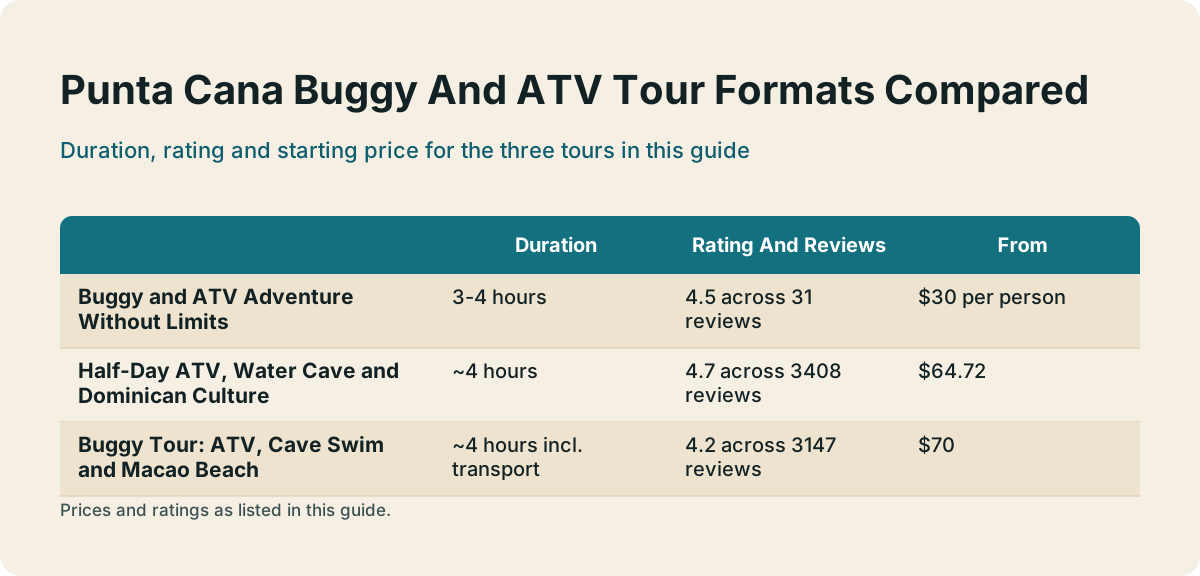
The comparison between the three main buggy-family formats is the clearest way to see this. The table below holds the three tours this site most often pairs for buggy day, with their live listing figures.
| Tour | Duration | Rating And Reviews | From | What It Changes About Your Outfit |
|---|---|---|---|---|
| Buggy and ATV Adventure Without Limits | 3-4 hours | 4.5 across 31 reviews | $30 per person sharing a 2-person buggy | Shortest day, one small bag is plenty |
| Half-Day ATV, Water Cave and Dominican Culture | ~4 hours | 4.7 across 3408 reviews | $64.72 | Same list as the buggy circuit, plus farm-stop shoes |
| Buggy Tour: ATV, Cave Swim and Macao Beach | ~4 hours incl. transport | 4.2 across 3147 reviews | $70 | Full three-surface outfit plus beach layer |
The age rules are the other quiet outfit factor, because they decide who in your group is a passenger and who is a driver, and drivers need that license on them. Current guidance for Punta Cana buggy tours puts most drivers at 18 and up with a valid license, while some operators accept drivers from 16 with a learner's permit or an on-site assessment, and younger riders ride as passengers only; the age and license rules for Punta Cana buggies spell out the variations by operator. For clothing purposes, passengers under 18 should get the same closed-toe shoes and dust covering as everyone else, since the trail does not check birthdays before it coats you. Match the bag to the format, not the month.
The driver-licensing detail also explains why the budget option is priced the way it is. The shared-buggy format at $30 per person splits one vehicle between two riders, so one license covers the pair, and the shorter runtime of 3 to 4 hours means a smaller bag, less water and no real need for the long-sleeve layer unless you burn easily. For travelers who want the experience without committing a whole day or a full outfit overhaul, it is the lowest-effort entry point in the category, and its 4.5 rating across 31 reviews is solid if thin on volume compared with the two longer circuits.
If you are still choosing between the whole family of off-road tours, the broader Punta Cana buggy and ATV tours guide breaks down every format on the roster, including combination tours that bolt a zipline or horseback ride onto the buggy loop. Those combination days change the outfit again, since a zipline wants snug clothing and secured pockets, and a horseback leg wants closed heels on your shoes, which conveniently most of this list already satisfies.
A Full Packing Checklist For Buggy Day
Lay out the outfit the night before: closed-toe shoes, dark quick-dry clothes, swimwear underneath, and a light layer. Pack a small bag with sunscreen, sunglasses with a strap, a bandana, a towel, a sealed change of clothes, a zip pocket for phone and cash, and your license if you are driving. Check your listing for towels, lockers and photo inclusions before you leave, since these vary by operator and by tour tier.
The night-before routine is worth the ten minutes because morning slots leave early. A typical departure window for pickup falls between 7:30 and 9:30 for morning tours, which means you are getting dressed in hotel lighting, possibly before breakfast, and without time to improvise a missing item. Everything on this list is either already in your luggage or available at any beach shop in Bávaro the day before, so nothing here requires a pre-trip shopping mission.
| Category | Pack It | Do Not Pack It |
|---|---|---|
| On Your Feet | Old sneakers or strapped water shoes | Flip-flops, slides, new shoes |
| On Your Body | Dark synthetic shorts and shirt, swimwear under | Jeans, white linen, loose scarves |
| On Your Head | Hat that fits under or travels with the helmet, sunglasses with strap | Nothing loose that can blow off at speed |
| In The Bag | Sunscreen, bandana, towel, sealed change of clothes, cash, card | Beach umbrella, full towel set, snacks and water (usually provided) |
| Valuables | Phone in a sealable pouch, license if driving | Passport, jewelry, laptop, expensive camera |
Two last checks close out the prep. First, water and snacks: standard listings in this category include tastings at the farm stop and usually water on the vehicle, but confirm on your own listing rather than loading a cooler, since storage on the buggy is minimal. Second, the weather call: a morning rain makes the mud sections genuinely deep rather than merely dusty, which argues for the water-shoe end of the footwear range and for the change of clothes graduating from nice-to-have to essential. Operators run in light rain and pause only for storms, so the odds are you go regardless.
Buggy day also slots neatly into a bigger excursion week, and the packing overlap between it and the other big-ticket days is real. If you are weighing this against a Saona catamaran or a full adventure-park pass before you commit, the best Punta Cana excursions guide ranks the whole field, and the same dry bag, water shoes and sunscreen core carries across nearly all of it, which is the quiet argument for buying those three items well once.
Common Questions About What To Wear On A Buggy Tour
Do I Need Closed-Toe Shoes For A Punta Cana Buggy Tour?
Yes, effectively. No operator lists flip-flops as banned, but the route runs a dusty off-road trail, a rocky cave entry and a hot beach, and open sandals fail on all three. Old sneakers or thick-soled water shoes handle every stop. Helmets are mandatory and provided; proper footwear is your own responsibility, and it is the single item that most affects how the day feels.
Should I Wear A Swimsuit On The Buggy Tour?
Wear it underneath your clothes rather than carrying it. The cave swim has no changing rooms, and the standard tour includes the cenote stop plus beach time, so you swim in whatever you wore on the trail. A quick-dry top and shorts over swimwear means you are dry again within the hour instead of sitting in wet clothes for the whole return transfer.
Will The Mud Ruin My Clothes?
It can, which is why the standing advice is to dress in clothes you would not miss. The trail dust is a fine reddish powder that bonds to light fabric, and the mud dries into a crust that survives a normal wash cycle. Dark synthetic athletic wear sheds most of it at the rinse tap. Anything you genuinely care about stays at the hotel.
What Do I Do With My Phone And Valuables On The Tour?
Carry the phone in a sealable pouch or zip pocket for dust and splash protection, and leave passports, jewelry and laptops at the hotel. The buggy has no lockable storage, stops pull you away from the vehicle for twenty to thirty minutes at a time, and operators hold valuables at your risk. A small amount of cash covers photos, souvenirs and gratuities.
Does What I Wear Change With The Tour I Book?
Only in size, not in kind. The shared 2-person buggy format runs 3-4 hours from $30 per person and needs the smallest bag. The ATV circuit with the water cave and culture stop runs about 4 hours from $64.72. The full buggy tour with the cave swim and Macao Beach runs about 4 hours including transport from $70. All three share the same footwear, dust and sun rules.
Do Drivers Need To Bring A Driver's License?
Yes, if you are driving. The rules on this route require a valid home-country license, with most operators setting the minimum at 18 and some accepting drivers from 16 with a permit or an on-site assessment. It is not always physically checked, but you are legally responsible as the driver, so the physical card, or at minimum a clear photo of it, comes with you.