What Movie Was Filmed At Saona Island?
The answer to the Saona Island movie question, plus how the film shaped the island's fame and how to visit the filming location on a day trip from Punta Cana.
What Movie Was Filmed At Saona Island?
The movie is Pirates of the Caribbean: Dead Men Tell No Tales, which shot scenes on Saona Island, as did The Blue Lagoon. The productions used the island's coastline and jungle scenery as tropical backdrops for their stories. The exact scenes are debated, but the island's role in the shoots is the reason the trivia question exists, and it is repeated on tour listings across Punta Cana to this day.
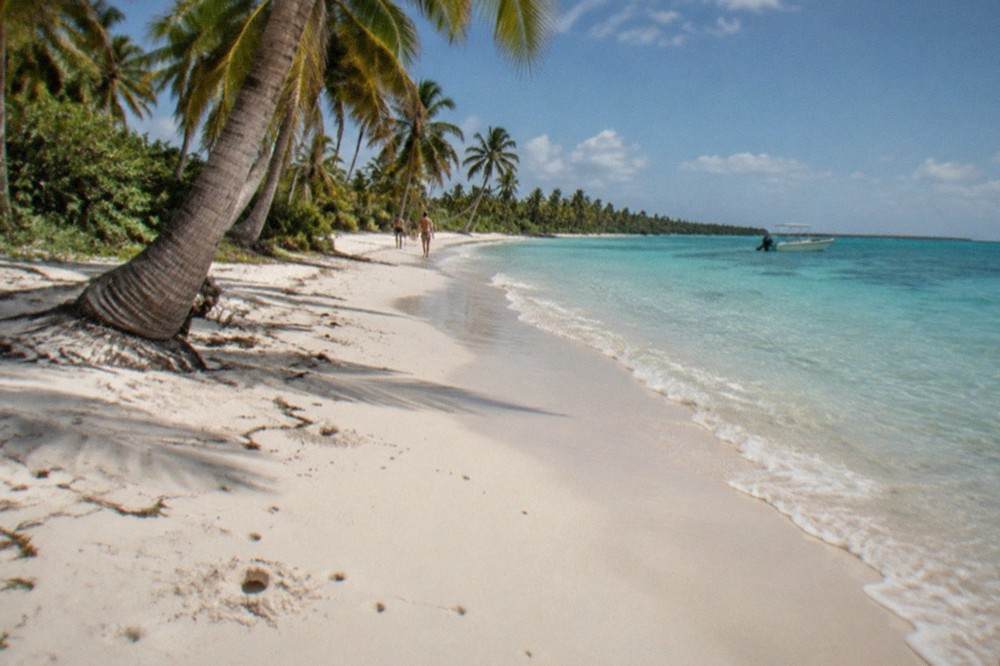
Saona Island sits off the southeastern coast of the Dominican Republic, inside Cotubanamá National Park, the protected area formerly known as Parque Nacional del Este. The park covers the island, the surrounding reefs and a stretch of mainland coast near Bayahibe, which is the main departure port for visits. Long before the speedboats and catamarans arrived, the island was a quiet fishing outpost with a small resident community and a landscape that looked, to a location scout, remarkably like an untouched tropical coastline.
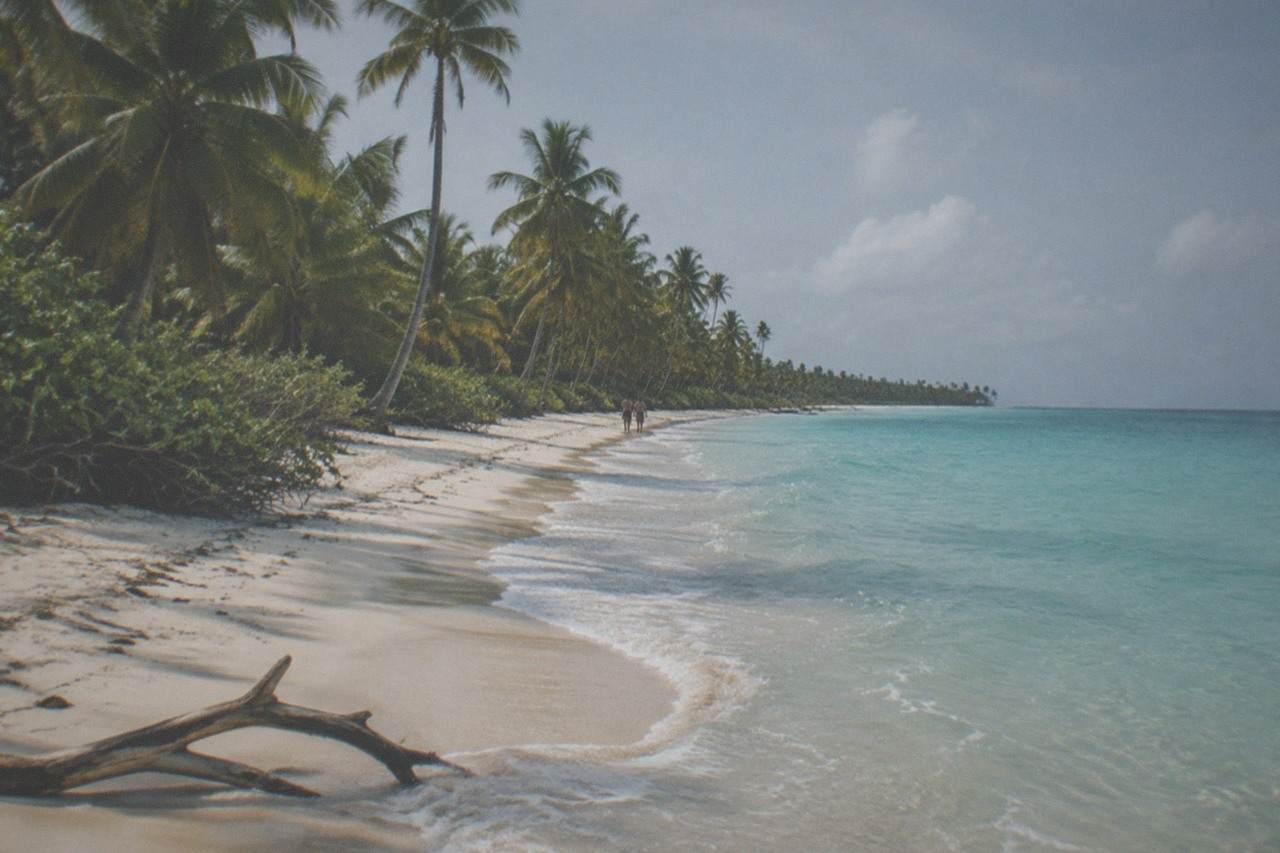
That is what drew the Pirates of the Caribbean production. For Dead Men Tell No Tales, the filmmakers needed an untouched tropical coastline, jungle meeting white sand, and shallow turquoise water that could pass as a pirate-world hideaway. Saona, inside Cotubanamá National Park, fit that brief, and its palm-fringed sandbars and empty beaches appear in the film's tropical scenery. The shoot put machinery, crew and cameras onto a coastline that had barely been photographed at all, and the images that came out of it have been selling the place ever since.
The trivia matters less for its film-history weight than for what it reveals. A location scout looked at this island and saw something rare enough to fake an entire war zone with: a coastline with no buildings, no crowds and no visible development. That same absence is exactly what a day visitor is buying. Saona remains inside a national park, which means no hotels, no permanent construction along the main beaches and a building code that keeps the shoreline as bare as it was when the cameras rolled. Saona sits inside Parque Nacional del Este, a protected area run by the environment ministry, and the ministry's national park page covers the reserve's history.
The broader island story, including the natural pool stop and the starfish that live there, is covered in detail in the site's Saona Island tour guide. This piece stays with the movie connection and how to see the filming location with your own eyes.
Why Saona Island Worked As A Film Location?
A filmmaker needs three things from a tropical location: emptiness, light and water, and Saona had all three in unusual concentration. The island offered miles of unbroken white sand, a shallow turquoise shelf that reads brilliantly on camera, and a horizon with nothing man-made in frame. Its protected status inside the national park meant the coastline stayed bare, so a film crew could shoot a supposedly untouched wartime coast without dressing out a single building.
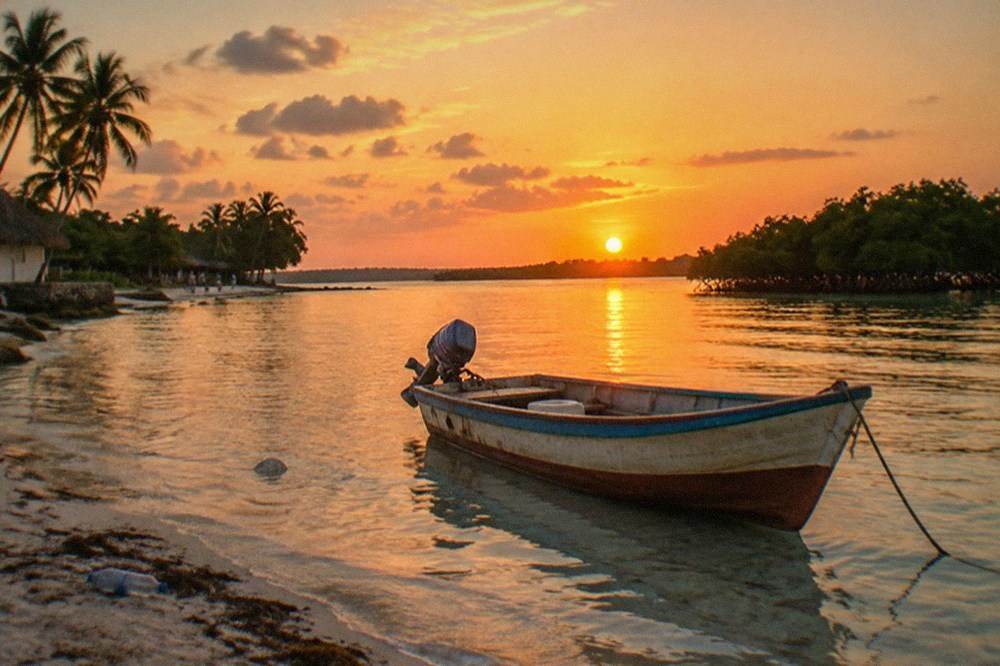
Consider what the camera sees. The famous natural pool, a waist-deep sandbar a short boat ride offshore from Saona Island, sits in water so clear and so uniformly bright that it flattens into an almost abstract plane on film. The main beach at Canto de la Playa runs long and low, with coconut palms leaning over sand that stays white because the reef offshore keeps wave energy down. When you watch tropical coastline footage shot in the Caribbean of that era, this combination of glare, shallows and empty horizon is the signature look, and Saona has more of it per mile than almost anywhere in the region.
The park status is the quiet hero of the story. Because Cotubanamá was declared protected decades ago, and Saona fell inside the boundary, the island was never lined with resorts the way Bavaro and Uvero Alto eventually were. The trade-off was economic isolation for the resident community, and the payoff was a landscape preserved almost by accident. A film crew arriving then found a coastline that looked pre-modern. A visitor arriving today finds the same thing, which is the island's whole draw, and the reason visitors keep asking whether the trip is worthwhile, a question answered honestly in is Saona Island worth visiting.
There is a second film-history note worth keeping straight. The Dominican Republic has hosted plenty of other film and television productions over the decades, and the country actively courts visiting crews. Saona's own confirmed screen credits are real, though. The island appears in the Pirates of the Caribbean franchise, including Dead Men Tell No Tales, and it also featured in The Blue Lagoon. When a Saona tour mentions the movies, those are the titles behind the reference.
How To Visit The Pirates Of The Caribbean Island Today?
Saona is a day trip from Punta Cana, about 30 to 50 minutes from Bayahibe by speedboat or 75 to 90 minutes by catamaran. A standard tour includes hotel pickup, a stop at the natural pool, two to three hours on the beach and a buffet lunch with drinks, and the full day runs 9 to 10 hours with transfers. The most-reviewed option is rated 4.4 across 4,699 reviews from $82 per person.
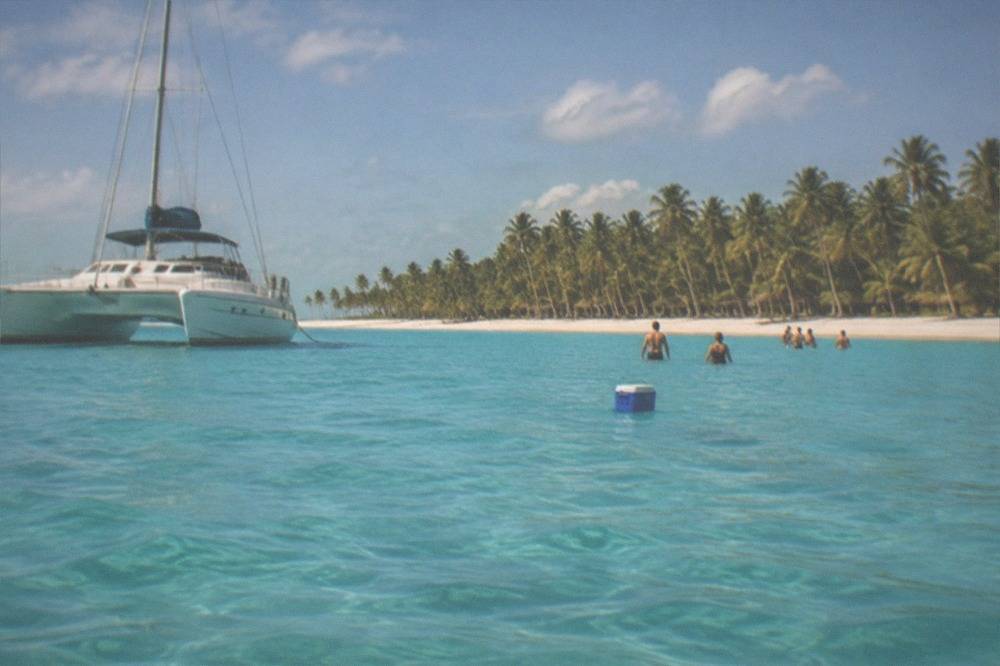
The classic format pairs a speedboat outbound with a catamaran return, which is the pattern most operators follow. The speedboat leg delivers the thrill and the wind, the natural pool stop delivers the postcard, and the catamaran leg back becomes a floating party with rum, music and dancing. The differences between tours are mostly about group size, boat quality and what is behind the bar, and those differences are compared in detail in the site's guide to Saona catamaran versus speedboat options.
For a trip themed around the movie, the small-group option is the one that best matches the island the crew found: quiet, unhurried and mostly empty. The Small Group Saona Island Full Day Tour is rated 5.0 across 1,544 reviews and runs from $165, roughly double the standard price, and buys a day with a fraction of the passengers.
Budget travelers are better served by the volume tours. The Saona Island Day Trip with Lunch and Open Bar is rated 4.5 across 3,291 reviews from $82, and a boat-party variant runs from $79 at 4.0 across 123 reviews. All of them land on the same beach the film crew worked along, because that beach is where the park allows tour landings. The movie location is not a separate ticket; it is simply the island.
For visitors planning the trip itself, the site's Tours in Punta Cana hub collects every Saona option with live pricing, and US travelers should complete the mandatory Dominican e-ticket before flying, the free digital entry form at the official migration portal.
What The Island Looks Like Between Takes?
The beach the crew used is a working tourism site now, and it shows. On a busy day a steady stream of visitors lands on Saona's main stretch of sand, with thatched shade structures, lunch service and a small vendor strip serving them. The scale surprises people expecting a deserted film set. The honest framing: the coast looks wild from the water and busy from the sand, and small-group tours restore most of the emptiness.
The island itself runs far beyond the tour zone, but visits concentrate in a compact area. The main beach holds the palapas and the buffet setups; the natural pool, offshore in waist-deep water, is where the starfish live and where the swimming stops happen; and a short walk in either direction from the landing point gets you past the crowds within ten minutes. The palms, the sand and the shallows that sold the location scouts continue south and north of the tour zone, undeveloped, inside park rules that bar construction.
Wildlife is the part first-time visitors underestimate. The waters around the island are a marine reserve, so the reef fish, the starfish in the natural pool and the birdlife on shore are protected rather than incidental. Park rules ask visitors not to touch or lift the starfish, a rule worth repeating because the shallow water makes it tempting. The ranger presence is thin but real, and the tour guides, who depend on the reef for their living, enforce the norms faster than any ranger does.
The film trivia also travels in the other direction. Guides on the boats tell the Pirates of the Caribbean story on nearly every departure, usually as a joke about which stretch of sand stood in for a pirate haven. Saona Island appears in the Pirates of the Caribbean films, including Dead Men Tell No Tales, and The Blue Lagoon also used its coastline. Treat the storytelling as atmosphere rather than a scene-by-scene map; no plaque marks a spot, and the boats keep the tale loose and cheerful.
When To Go And What The Trip Costs?
The cleanest water runs November through March, the low-risk window for sargassum seaweed on the eastern Dominican coast. Standard Saona tours cost from $79 to $82 per person, small-group versions run from $165, and the day takes 9 to 10 hours door to door, so book it on a day with no dinner plans. Saona's southwest-facing beaches see less sargassum than Punta Cana's mainland shore even in the peak months of May to August.
The pricing spread is wider than the headline numbers suggest, because inclusions differ. The table below lays out the four most relevant tours with their live ratings and review counts, so the comparison is on real figures rather than marketing copy.
| Tour | Length | Rating | From (per person) |
|---|---|---|---|
| Saona Island Tour and Boat Party With Pickup | ~9 hours | 4.0 across 123 reviews | $79 |
| Catamaran Boat to Saona Island with Buffet Lunch | ~9-10 hours incl. transfers | 4.4 across 4,699 reviews | $82 |
| Saona Island Day Trip with Lunch and Open Bar | ~9 hours | 4.5 across 3,291 reviews | $82 |
| Small Group Saona Island Full Day Tour | ~9 hours | 5.0 across 1,544 reviews | $165 |
Two booking realities shape the day. First, the national park entrance arrangement for Cotubanamá is bundled into commercial tour prices, so there is no separate gate fee to budget; the operator collects and remits it as part of the fare. Second, hotel pickup covers the Bavaro and Punta Cana zones on virtually every listing, while pickup runs from resort areas like Bávaro and Uvero Alto; confirm your exact hotel on the live listing. The park's protected status, which is what preserved the movie-coast look in the first place, is governed under the environment ministry's protected-area framework.
Weather matters less than most visitors fear. The Caribbean rainy season brings short afternoon storms rather than lost days, and Saona's position means the boat crossings usually run calm. The one seasonal factor that genuinely changes the experience is seaweed, tracked in detail in the site's guide to the best time to visit Punta Cana for sargassum. In the May-to-August peak, the mainland beaches can look rough while Saona's protected southwest shore stays swimmable, which is one more reason the island, rather than the hotel beach, is where the clear water is.
Money advice is short. Bring cash for the vendor strip, a towel, and dry clothes for the ride back. Wear the swimsuit under your clothes, because the natural pool stop comes before the island landing on most itineraries, and changing facilities are basic. Everything else, from lunch to drinks to the snorkel stops on some variants, is in the fare.
For anyone weighing the trip against other excursions, the honest comparison and the full cost picture are laid out in are Punta Cana excursions worth the cost.
Common Questions About Saona Island
What Movie Was Filmed At Saona Island?
Pirates of the Caribbean: Dead Men Tell No Tales used Saona Island as a tropical filming location, and Curse of the Black Pearl and The Blue Lagoon also shot scenes on its shores. That pirate connection is the origin of the trivia question, and tour operators on the island still reference it. The island's undeveloped coastline inside Cotubanamá National Park is what made it useful to film crews, and that same coastline is what visitors see today.
Can You Visit The Pirates Of The Caribbean Filming Location?
Yes, and no separate ticket exists for it. Saona Island tours from Punta Cana land on the main beach inside Cotubanamá National Park, the same stretch of shoreline where scenes for Pirates of the Caribbean: Dead Men Tell No Tales were shot, and the standard day costs from $79 to $82 per person. Options range from volume tours like the Catamaran Boat to Saona Island with Buffet Lunch, rated 4.4 across 4,699 reviews from $82, to the Small Group Full Day Tour, rated 5.0 across 1,544 reviews from $165.
How Long Is The Boat Ride To Saona Island?
The crossing from Bayahibe takes roughly 30 to 50 minutes by speedboat and 75 to 90 minutes by catamaran, and most tours use speedboats outbound with a catamaran return. The full day runs about 9 to 10 hours including hotel transfers from the Punta Cana area. The itinerary usually includes a stop at the natural pool, a waist-deep sandbar with starfish, before two to three hours on the island beach.
Which Pirates Of The Caribbean Movie Filmed At Saona Island?
Pirates of the Caribbean: Dead Men Tell No Tales shot scenes on Saona's coastline, one of several international locations the production used. The island could pass for a remote pirate hideout because its beaches sit inside a protected national park, Cotubanama, where construction is off limits. The sand, the palm line and the shallow turquoise water look much as they did when the cameras arrived, which is why the island still reads as untouched on screen today.
What Is The Best Time Of Year To Visit Saona Island?
November through March is the lowest-risk window for sargassum on the eastern Dominican coast and the period when live forecasts most reliably show the area's beaches clean. The seaweed season peaks between May and August, though Saona's southwest-facing beaches see less impact than Punta Cana's mainland shore even then. The natural pool stop is generally unaffected by shoreline seaweed conditions because it sits offshore in clear shallow water.
Is Saona Island Still Unspoiled After The Movie Fame?
Partly, and honestly it depends where you stand. The main landing beach hosts shade structures, buffet service and on busy days a steady stream of visitors, while ten minutes' walk in either direction the coastline is bare palms and empty sand inside park rules that bar building. The water and reef remain protected as part of Cotubanamá National Park. A small-group tour restores most of the emptiness the original crew found.